How to Boost Your Energy Naturally Without Pre-Workout: Diet, Sleep & Exercise Tips

By Body&Fit | Published: 2026-07-18
Category: How-to Guides
Discover how to boost your energy naturally for workouts without relying on pre-workout supplements. Learn diet, sleep, and exercise strategies to fuel performance and recovery.
Many fitness enthusiasts reach for a scoop of pre-workout powder before hitting the gym. While these blends can provide a quick jolt of caffeine and beta-alanine, they aren't the only path to high energy and intense focus. In fact, relying too heavily on stimulants can lead to tolerance, jitters, and even disrupted sleep patterns.
If you are looking for a more sustainable approach to energize your workouts, natural methods can be just as effective—and they come with long-term benefits for your overall health. By fine-tuning your diet, prioritizing quality sleep, and incorporating strategic movement, you can unlock steady energy levels that support your fitness goals without the crash.
Eat for Sustained Energy: The Role of Whole Foods
Your body's primary fuel source comes from the food you eat. To maintain steady energy throughout the day and into your workout, focus on complex carbohydrates, lean proteins, and healthy fats. Foods like oats, sweet potatoes, quinoa, and brown rice release glucose slowly, preventing the spikes and dips associated with simple sugars. Pair these with a source of protein—such as chicken, tofu, or eggs—to support muscle repair and keep you feeling full.
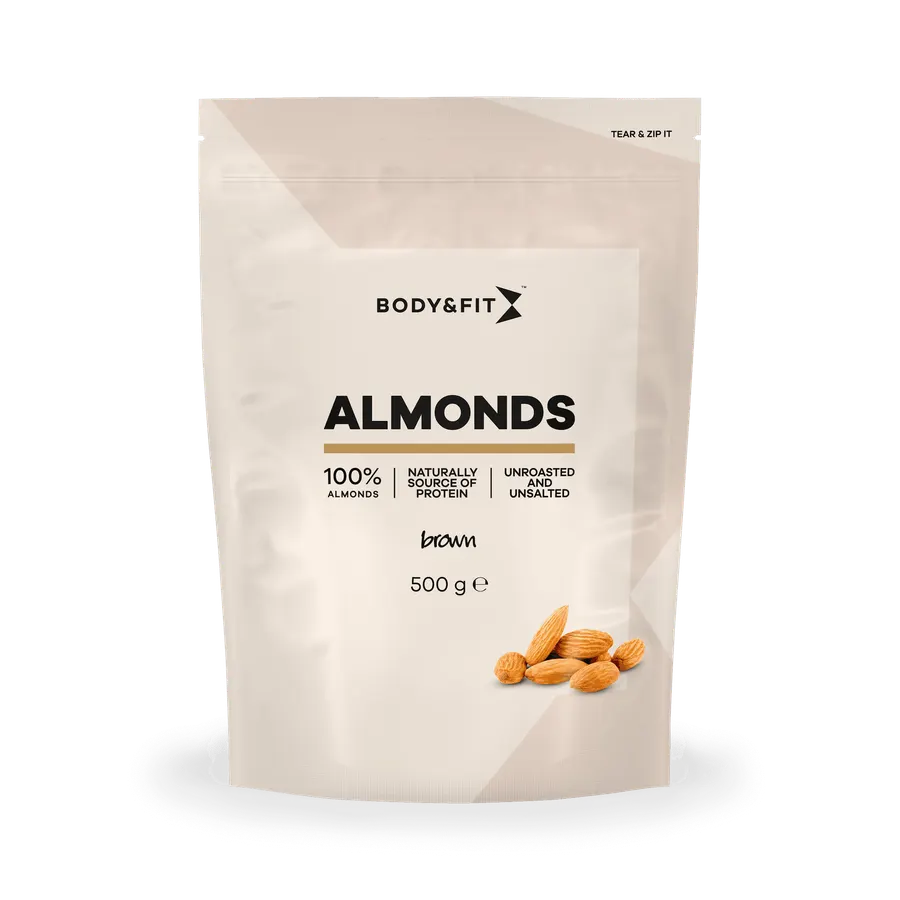
Snacking smartly before exercise can also make a difference. A small handful of nuts, like Pure Amandelen Bruin, provides healthy fats and a touch of protein to stabilize blood sugar. Alternatively, a piece of fruit like a banana offers quick-digesting carbs for immediate energy. Avoid heavy, greasy meals right before training, as they divert blood flow to digestion and can leave you feeling sluggish.
- Include complex carbs (oats, quinoa) in your pre-workout meal 1-2 hours before exercise.
- Opt for a small, balanced snack like almonds or a piece of fruit 30 minutes before training.
Hydrate Strategically: Water, Electrolytes, and Natural Drinks
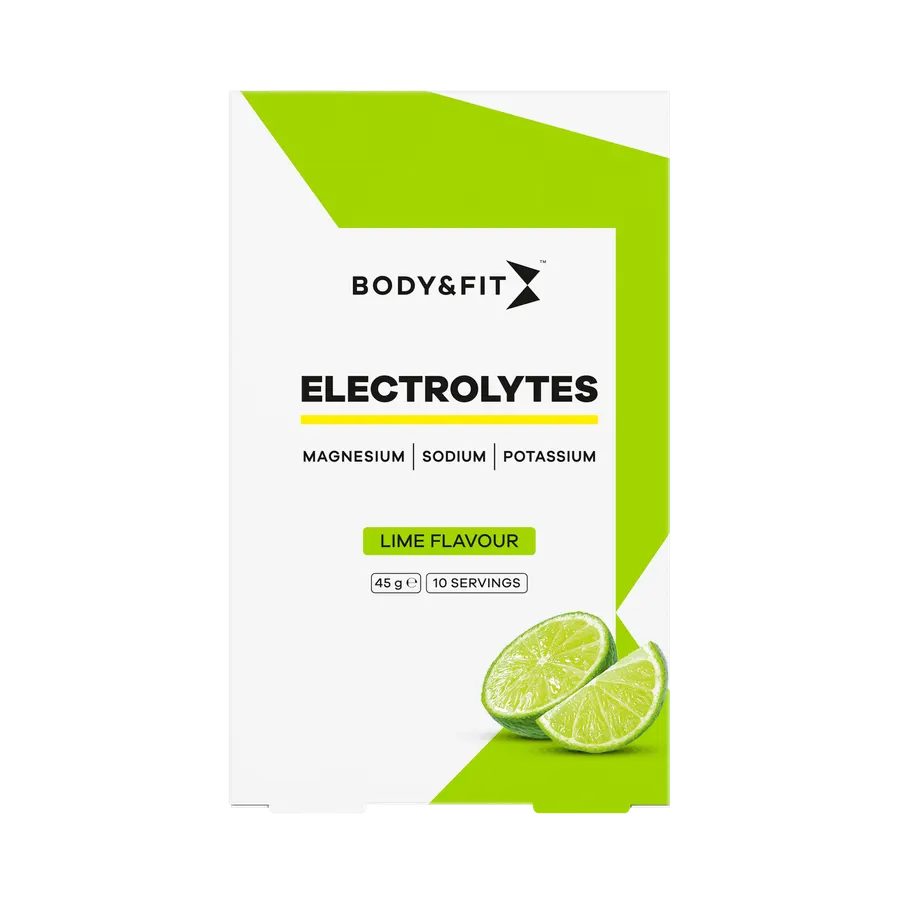
Dehydration is one of the fastest ways to drain your energy. Even mild fluid loss can reduce endurance, impair concentration, and make your muscles feel heavy. Start your day with a glass of water and continue sipping throughout the day. For longer or more intense sessions, consider adding electrolytes to your water—especially if you sweat heavily. Natural sources like coconut water or a pinch of sea salt can help replenish sodium and potassium without artificial additives.
If you crave something with flavor, try a homemade pre-workout drink. Combine water with a squeeze of lemon, a dash of cayenne pepper, and a teaspoon of honey for a natural energy boost. This simple blend can stimulate circulation and provide a gentle lift without the crash of synthetic stimulants. For a convenient option, you might also explore CLIF Bloks as a chewable energy source that delivers quick carbs during extended training.
- Drink at least 500ml of water 2 hours before exercise, then sip during your workout.
- Add a pinch of sea salt or a slice of lemon to your water for natural electrolyte support.
Prioritize Sleep: The Foundation of Recovery and Energy
Sleep is when your body repairs muscles, consolidates memories, and balances hormones like cortisol and growth hormone. Without adequate rest, your energy levels plummet, and your motivation to train suffers. Aim for 7–9 hours of quality sleep per night. Create a consistent bedtime routine: dim lights an hour before bed, avoid screens, and keep your room cool and dark.
If you struggle with sleep, consider natural aids like magnesium or chamomile tea. Also, be mindful of your caffeine intake—avoiding stimulants after 2 PM can help your body wind down naturally. Good sleep hygiene not only boosts your daytime energy but also enhances your workout performance and recovery. A well-rested athlete is more focused, stronger, and less prone to injury.
- Set a fixed sleep and wake schedule, even on weekends, to regulate your internal clock.
- Limit caffeine and heavy meals within 3 hours of bedtime for deeper sleep.
Move Your Body: The Energy Paradox
It might seem counterintuitive, but expending energy through movement actually generates more energy over time. A short walk, light stretching, or a few minutes of jumping jacks can increase blood flow, oxygen delivery, and alertness. This is especially helpful if you feel sluggish before a workout. Instead of reaching for a pre-workout supplement, try a 5-minute dynamic warm-up to wake up your nervous system.
Regular exercise also improves your body's efficiency at producing ATP (the energy currency of cells) and enhances mitochondrial function. Over time, you will notice that your baseline energy levels rise, and you rely less on external stimulants. To support your active lifestyle, consider keeping a Clif Bar in your gym bag for a quick, whole-food energy boost when you need it most. It provides a balanced mix of carbs, protein, and fiber.
- Start your workout with 5–10 minutes of dynamic stretching or light cardio to activate your muscles.
- Incorporate low-intensity activities like walking or yoga on rest days to maintain energy flow.
By focusing on whole foods, proper hydration, quality sleep, and regular movement, you can naturally sustain high energy levels for your workouts—without relying on pre-workout supplements. Start with small changes, like swapping your morning coffee for a balanced breakfast and adding a handful of Pure Amandelen Bruin to your snack rotation. Your body will thank you with steady, lasting energy that supports both performance and recovery.