Comparing Top Creatine Brands: What to Look For to Maximize Muscle Gains

By Body&Fit | Published: 2026-07-18
Category: Product Reviews
Discover how to compare creatine brands effectively. Learn about purity, quality, and key ingredients to find the best supplement for muscle gains and performance.
When it comes to building muscle, improving strength, and enhancing athletic performance, few supplements have as much scientific backing as creatine. But with dozens of brands flooding the market, choosing the right one can feel overwhelming. Not all creatine is created equal—purity, solubility, and added ingredients vary widely, and picking a low-quality product can mean wasted money and subpar results.
In this guide, we break down exactly what to look for when comparing creatine brands. From understanding different forms of creatine to checking for third-party testing, we’ll help you make an informed decision. Whether you’re a beginner or a seasoned athlete, knowing how to evaluate supplements is key to maximizing your gains.
Why Creatine Purity Matters for Muscle Gains
Creatine monohydrate is the most researched and effective form of creatine for increasing muscle mass and strength. However, the purity of the powder can vary between manufacturers. High-quality brands typically offer 99.9% pure creatine monohydrate with no fillers or additives. Impurities can reduce absorption and lead to bloating or stomach discomfort. Look for products that display a certificate of analysis (COA) or third-party testing seals.

Another factor is solubility—a fine, micronized powder dissolves more easily in water or juice, making it more convenient to consume. Poorly processed creatine may leave a gritty texture and settle at the bottom of your shaker. For a smooth experience, many athletes prefer micronized versions. Additionally, check for added electrolytes or amino acids that can enhance performance and recovery.
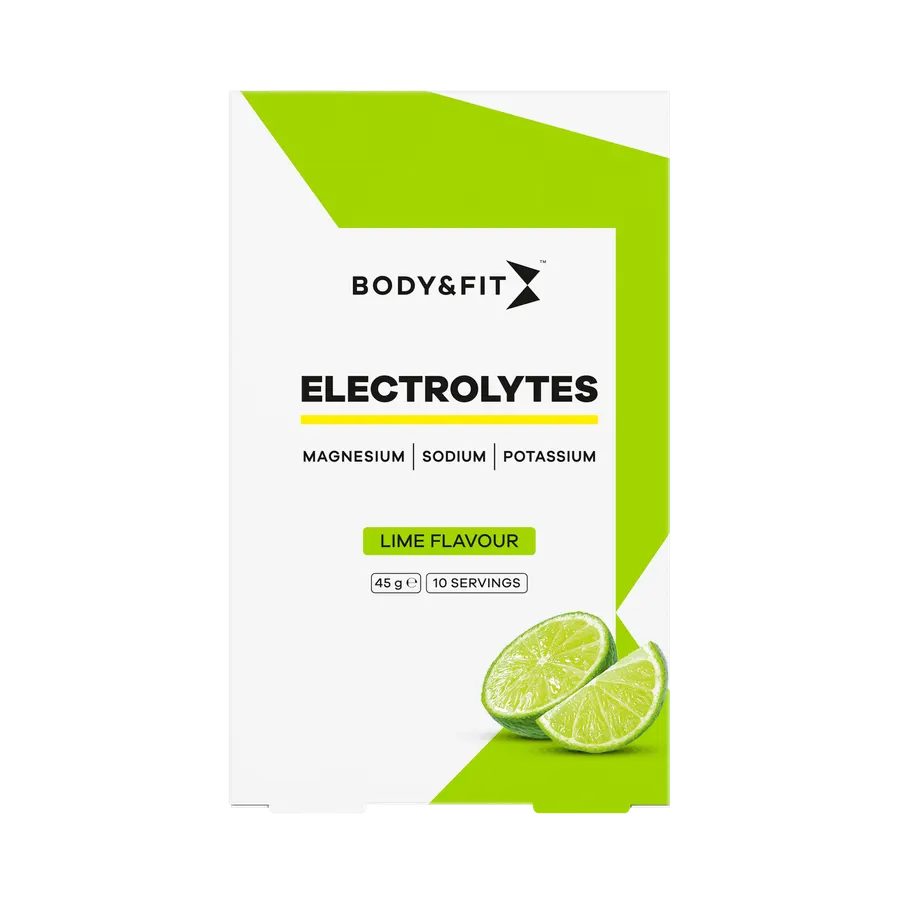
- Always check for a third-party testing logo (e.g., Informed Sport, NSF) to ensure purity and banned substance-free status.
- Micronized creatine dissolves faster and causes less stomach upset than standard creatine monohydrate.
Key Ingredients to Compare: Beyond Creatine Monohydrate
While creatine monohydrate is the gold standard, some brands offer blends that include other performance-enhancing ingredients. For example, Tri Creatine Malate combines three forms of creatine with malic acid, which may improve energy production and reduce fatigue. This type of blend can be ideal for athletes looking for sustained energy during high-intensity workouts. Another popular option is creatine combined with beta-alanine or citrulline malate for added pump and endurance.
When comparing blends, pay attention to dosage. A standard effective dose is 3–5 grams of pure creatine per day. Some blends may contain less creatine per serving and more filler ingredients, so read the label carefully. If you prefer a simple, no-fuss approach, sticking with a pure monohydrate is often the best choice. For those who want extra benefits, a well-formulated blend like Tri Creatine Malate can be a great addition to your stack.
- Compare the creatine content per serving—aim for at least 3 grams of actual creatine, not just total blend weight.
- Look for added electrolytes or amino acids if you want to support hydration and recovery simultaneously.
How to Evaluate Brand Transparency and Quality Control
Reputable creatine brands are transparent about their sourcing and manufacturing processes. They often provide batch-specific testing results online or upon request. Avoid brands that do not list the exact form of creatine or that use proprietary blends where individual ingredient amounts are hidden. Transparency is a strong indicator of quality. Additionally, check customer reviews for consistency—if many users report clumping, poor mixing, or stomach issues, it’s a red flag.
Another consideration is the brand’s reputation in the sports nutrition community. Established brands invest in research and quality assurance. For example, Animal Pak Powder is known for its high standards and comprehensive formulas that combine creatine with other nutrients. While not a pure creatine product, it offers a multi-ingredient approach for those who want an all-in-one solution. Always verify that the brand has a history of positive feedback and third-party certifications.
- Look for brands that list the exact source of their creatine (e.g., Creapure® is a trusted German brand of creatine monohydrate).
- Avoid products with vague labels like 'creatine matrix' or 'proprietary blend' without specific amounts.
Creatine Forms: Monohydrate vs. Other Variants
Creatine monohydrate remains the most studied and cost-effective form, but other variants like creatine hydrochloride (HCL) and creatine ethyl ester have gained popularity. HCL is marketed for better solubility and less bloating, though research does not consistently show superior results. Ethyl ester may have absorption issues. For most people, monohydrate offers the best balance of efficacy, safety, and price. However, if you experience digestive discomfort, a different form might be worth trying.
Another option is Tri Creatine Malate, which combines creatine with malic acid to potentially improve ATP production and reduce lactic acid buildup. This can be beneficial for endurance athletes or those doing high-rep training. When comparing forms, consider your specific goals and tolerance. For pure muscle gains, monohydrate is hard to beat. For added performance benefits, a malate blend may offer an edge.
- Creatine monohydrate is the most researched and affordable option—ideal for most athletes.
- If you experience bloating, try a micronized version or a different form like HCL or malate.
Practical Tips for Choosing Your Creatine Supplement
Start by defining your budget and goals. If you want a no-frills, effective product, a pure creatine monohydrate from a trusted brand is your best bet. If you prefer convenience and extra ingredients, look for blends that include electrolytes or amino acids. Always check the serving size and number of servings per container to ensure you’re getting good value. A 500-gram tub should last about 100 days at a 5-gram daily dose.
Also consider how you’ll consume it. Creatine is often mixed with water or juice, but some people add it to their protein shakes or pre-workout drinks. If you use a shaker bottle, a Ghost Shaker can make mixing easy and mess-free. Finally, read the label for any allergens or additives. Many high-quality creatine powders are unflavored and contain no artificial sweeteners, which is ideal for those with dietary restrictions.
- Buy unflavored creatine if you plan to mix it with flavored drinks or supplements.
- Store creatine in a cool, dry place to prevent clumping and maintain potency.
Choosing the right creatine brand comes down to purity, transparency, and your personal fitness goals. Whether you opt for classic monohydrate or a performance blend like Tri Creatine Malate, always prioritize quality and third-party testing. Explore our selection of top-rated creatine supplements to find the perfect match for your training routine and start maximizing your muscle gains today.


