Creatine Monohydrate vs HMB: Which Supplement Is Right for Your Fitness Goals?

By Body&Fit | Published: 2026-07-18
Category: Ulasan Produk
Compare creatine monohydrate and HMB for muscle recovery, strength gains, and performance. Discover which supplement fits your training style and goals.
When it comes to boosting muscle growth, improving recovery, and enhancing workout performance, few supplements spark as much debate as creatine monohydrate and HMB (beta-hydroxy beta-methylbutyrate). Both are backed by science, but they work in very different ways. Choosing the right one depends on your training experience, goals, and how your body responds to supplementation.

In this article, we break down the key differences between creatine monohydrate and HMB, examine the research behind each, and help you decide which supplement deserves a spot in your stack. Whether you're a seasoned lifter or just starting out, understanding these two powerhouse ingredients will help you train smarter and recover faster.
What Is Creatine Monohydrate?
Creatine monohydrate is one of the most researched and widely used sports supplements in the world. It is a naturally occurring compound found in muscle cells, where it helps produce adenosine triphosphate (ATP)—the primary energy currency for short, explosive movements like weightlifting, sprinting, and high-intensity interval training. Supplementing with creatine monohydrate increases your muscles' phosphocreatine stores, allowing you to perform more reps, lift heavier weights, and recover between sets faster.
The benefits of creatine monohydrate extend beyond performance. Studies show it can also promote lean muscle mass gains, improve strength, and even support cognitive function. For most athletes, a standard loading phase (20 grams per day for 5–7 days) followed by a maintenance dose (3–5 grams per day) is effective and safe. If you're looking for a reliable, no-fuss option, many athletes turn to MUTANT CREATINE, which delivers pure micronized creatine monohydrate for optimal absorption and mixability.
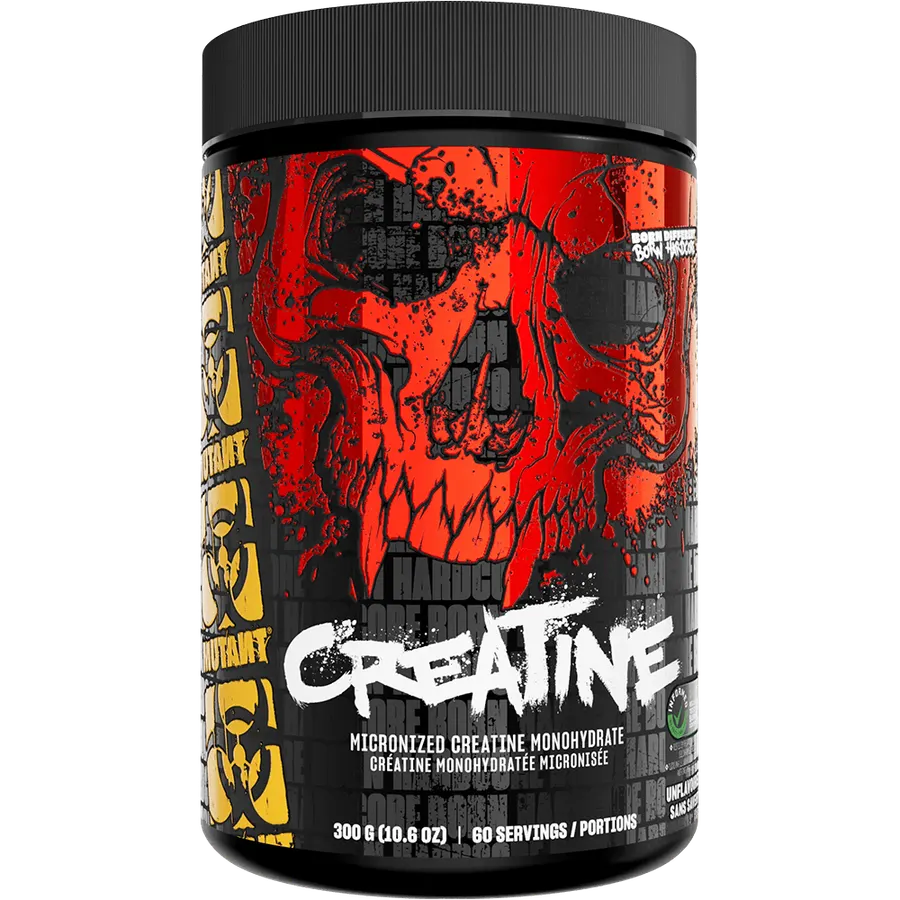
- Boosts ATP production for explosive power and strength
- Increases lean muscle mass over time
- Supports faster recovery between sets
What Is HMB?
HMB is a metabolite of the amino acid leucine, which is a key trigger for muscle protein synthesis. While creatine focuses on energy production, HMB is primarily known for its anti-catabolic properties—meaning it helps prevent muscle breakdown, especially during intense training or calorie deficits. This makes HMB particularly valuable for athletes in a cutting phase, those returning from injury, or anyone looking to preserve muscle while losing fat.
Research suggests that HMB can reduce muscle damage and soreness after exercise, accelerate recovery, and improve strength gains in untrained individuals. However, its effects may be less pronounced in experienced lifters compared to creatine. For those who want a convenient way to combine HMB with other performance boosters, products like Animal Creatine HMB+ offer a blend that pairs HMB with creatine for a synergistic approach to muscle preservation and power.
- Reduces muscle protein breakdown during hard training
- Helps preserve lean mass during calorie restriction
- May speed up recovery and decrease soreness
Creatine vs HMB: Key Differences at a Glance
To help you compare these two supplements side by side, we've broken down the most important factors. Creatine monohydrate excels at increasing strength and power output during high-intensity exercise, while HMB shines in its ability to protect muscle tissue from breakdown. If your primary goal is to get stronger and pack on size, creatine is typically the better choice. If you're focused on recovery, injury prevention, or maintaining muscle while dieting, HMB may be more beneficial.
Another difference lies in how quickly you might notice results. Creatine often produces noticeable improvements in performance within the first week, especially after a loading phase. HMB, on the other hand, works more subtly over time, with benefits accumulating as you consistently reduce muscle damage. Both can be taken together, and many athletes find that stacking them provides the best of both worlds.
- Creatine: best for explosive strength and muscle growth
- HMB: best for reducing muscle breakdown and aiding recovery
- Stacking both can optimize performance and preservation
How to Choose the Right Supplement for Your Goals
Your choice between creatine monohydrate and HMB should align with your training phase and personal objectives. If you are in a bulking or strength-focused phase, creatine monohydrate is the clear winner. It will help you push through plateaus, increase your one-rep max, and build visible muscle. For those who prefer a chewable format, Animal Creatine Performance Chews provide a tasty and portable way to get your daily dose of creatine without mixing powders.
On the other hand, if you are cutting weight, recovering from an injury, or just starting a new training program, HMB can help you hold onto hard-earned muscle while your body adapts. It is also a great addition to a post-workout recovery shake. For a comprehensive recovery drink, consider pairing HMB with a quality protein source like SiS Recoverydrink Rego Rapid, which combines carbs and protein to replenish glycogen and repair muscle tissue.
- For strength and size: choose creatine monohydrate
- For muscle preservation and recovery: choose HMB
- For all-around support: consider stacking both supplements
Practical Tips for Supplementing with Creatine and HMB
To get the most out of either supplement, consistency is key. For creatine monohydrate, take 3–5 grams daily, preferably after your workout or with a meal to improve absorption. Loading is optional but can speed up results. For HMB, the typical dose is 3 grams per day, split into two or three servings, taken with meals. Both supplements are safe for long-term use and have minimal side effects when taken as directed.
Hydration is especially important when using creatine, as it draws water into muscle cells. Drink plenty of water throughout the day. If you experience any digestive discomfort, try taking your supplements with food or switching to a micronized version. And remember, no supplement replaces a solid training program and balanced diet—they are tools to enhance your efforts, not shortcuts.
- Take creatine consistently at 3–5 grams per day
- Split HMB into 2–3 doses for steady blood levels
- Stay well hydrated, especially when using creatine
Both creatine monohydrate and HMB offer unique benefits that can elevate your training and recovery. If your main focus is building strength and muscle mass, creatine monohydrate is the proven choice. If you want to protect muscle and recover faster, HMB is worth adding to your stack. For the best results, consider combining them—and always choose high-quality supplements from trusted brands. Explore our selection of performance boosters like MUTANT CREATINE or Animal Creatine HMB+ to find the perfect fit for your routine.


