The Pros and Cons of Using Energy Drinks Before Workouts: A Balanced Guide for Athletes

By Body&Fit | Published: 2026-07-18
Category: Berita Industri
Explore the pros and cons of using energy drinks before workouts. Learn how caffeine boosts performance, the health effects of sugar and additives, and smarter alternatives like pre-workout supplements and protein bars.
Energy drinks have become a popular pre-workout choice for many athletes and gym-goers seeking a quick energy boost. With their high caffeine content and stimulating ingredients, they promise improved focus, endurance, and power output. However, the convenience of grabbing a can before hitting the gym comes with potential downsides, including sugar crashes, dehydration, and long-term health effects. Understanding both sides of the equation is essential for making informed decisions about your workout fuel.
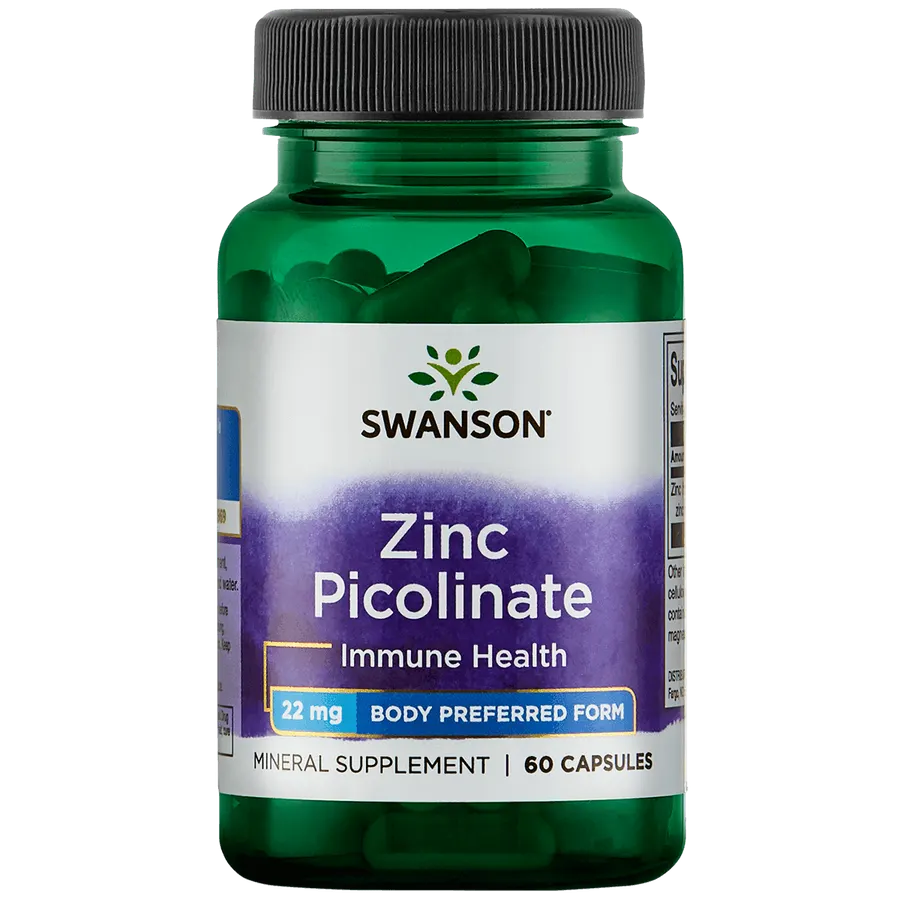
In this article, we break down the pros and cons of using energy drinks before exercise, compare them to traditional pre-workout supplements, and highlight smarter alternatives—like the Bounty HiProtein Bar or a Zinc Picolinate Body Preferred form 22mg supplement—to support your fitness goals without the risk of overstimulation.
The Pros: Why Energy Drinks Can Boost Your Workout Performance
Energy drinks are primarily known for their high caffeine content, which can enhance alertness, reduce perceived effort, and improve reaction time during exercise. A typical energy drink contains 80–150 mg of caffeine per serving, similar to a strong cup of coffee. This stimulant effect can help you push through tough sets, especially during early morning or late-night training sessions. Additionally, many energy drinks include B vitamins and taurine, which support energy metabolism and muscle function.
Another advantage is convenience. Energy drinks are widely available, require no mixing, and can be consumed on the go. For athletes who need a quick boost before a cardio session or high-intensity interval training, a can of energy drink may feel like a practical solution. Some products also contain electrolytes, which can aid hydration during prolonged exercise—though this benefit varies by brand.
- Tip: If you choose an energy drink, opt for sugar-free versions to avoid empty calories and blood sugar spikes.
The Cons: Potential Health Effects and Performance Risks
Despite the short-term benefits, energy drinks come with notable drawbacks. The most common concern is their high sugar content—some brands pack 30–50 grams of sugar per can, which can lead to energy crashes, insulin spikes, and unwanted calorie intake. For athletes focused on body composition or fat loss, this can sabotage progress. Caffeine also acts as a diuretic, increasing fluid loss and potentially impairing hydration during exercise, especially in hot environments.
Overconsumption of energy drinks has been linked to increased heart rate, anxiety, sleep disturbances, and digestive issues. When used regularly before workouts, they may mask fatigue, leading to overtraining or inadequate recovery. Furthermore, the combination of stimulants and other ingredients like guarana or ginseng can create unpredictable effects, especially for individuals sensitive to caffeine. For a safer alternative, consider a dedicated pre-workout supplement or a protein-rich snack like the Bounty HiProtein Bar to fuel your session without the risks.
- Tip: Limit energy drink intake to one serving per day and avoid consuming them within 6 hours of bedtime to protect sleep quality.
Energy Drinks vs. Traditional Pre-Workout Supplements: Key Differences
While energy drinks and pre-workout powders both aim to boost performance, they differ significantly in formulation and purpose. Pre-workouts are designed specifically for exercise, often containing precise doses of caffeine, beta-alanine, creatine, and nitric oxide boosters. They typically include ingredients that enhance blood flow, delay fatigue, and support muscle pumps—benefits that energy drinks rarely provide. Energy drinks, on the other hand, are formulated for general alertness and may lack these targeted ergogenic aids.
Another difference is control. With pre-workout powders, you can adjust the serving size to match your tolerance, whereas energy drinks come in fixed doses. Additionally, many pre-workouts are sugar-free and include electrolytes for better hydration. For those who prefer a clean, customizable option, pairing a quality pre-workout with a Zinc Picolinate Body Preferred form 22mg supplement can support immune function and recovery—something energy drinks cannot offer.
- Tip: If you’re new to stimulants, start with half a serving of a pre-workout powder rather than a full energy drink to gauge your tolerance.
Healthier Alternatives to Energy Drinks for Pre-Workout Fuel
If you’re looking to avoid the downsides of energy drinks, several alternatives can provide similar benefits without the risks. A balanced pre-workout meal or snack—such as a banana with almond butter or a protein bar—can supply steady energy without caffeine jitters. For a caffeine boost, consider green tea or black coffee, which offer antioxidants and a more gradual release of energy. Hydration is also critical; a Body&Fit Waterbottle can help you stay on top of fluid intake before and during exercise.
For those who need a convenient, portable option, protein bars like the Bounty HiProtein Bar combine protein and healthy fats to sustain energy levels. Additionally, targeted supplements such as Zinc Picolinate Body Preferred form 22mg support hormone balance and recovery, making them a smart addition to any pre-workout routine. By choosing whole foods or specialized supplements, you can fuel your performance while minimizing the health effects associated with energy drinks.
- Tip: Experiment with different pre-workout snacks (e.g., oats, fruit, or a protein bar) to find what works best for your digestion and energy levels.
Energy drinks can offer a quick performance boost, but their high sugar content, potential for dehydration, and long-term health effects make them a less-than-ideal choice for regular pre-workout use. By understanding the pros and cons, you can make smarter decisions about your workout fuel. For a balanced, effective alternative, explore our range of pre-workout supplements and protein bars—like the Bounty HiProtein Bar—to support your fitness journey without compromise.


