Top 5 Creatine Supplements for Strength Training in 2025: Boost Muscle Power and Performance

By Body&Fit | Published: 2026-07-18
Category: Ulasan Produk
Discover the best creatine supplements for strength training in 2025. Our expert guide reviews top products to maximize muscle power, recovery, and performance gains.
If you're serious about strength training, you already know that creatine is one of the most researched and effective supplements for boosting muscle power, endurance, and recovery. As we move into 2025, the market is flooded with options, but not all creatine products are created equal. Whether you're a seasoned lifter or just starting your journey, choosing the right creatine supplement can make a significant difference in your results.
In this guide, we've curated the top 5 creatine supplements for strength training in 2025. These picks are based on purity, effectiveness, ingredient transparency, and user reviews. We'll also highlight how to integrate them into your routine for maximum gains. Let's dive into the products that can help you break through plateaus and achieve new personal bests.
1. Micronized Creatine Monohydrate: The Gold Standard

Creatine monohydrate remains the most studied and trusted form of creatine for strength athletes. Its ability to increase phosphocreatine stores in muscles leads to improved ATP production, allowing you to push harder during high-intensity sets. Micronized versions offer better mixability and absorption, reducing the risk of bloating. For 2025, look for products that are third-party tested for purity and free from additives.
When selecting a creatine monohydrate, consider your training volume and goals. A standard loading phase of 20 grams per day for 5-7 days can saturate muscles quickly, followed by a maintenance dose of 3-5 grams daily. This protocol is ideal for strength training, as it enhances power output and recovery between sets.
- Tip: Pair creatine with a carbohydrate source like fruit juice to improve uptake, especially post-workout.
2. Creatine Hydrochloride (HCL): For Faster Absorption and Less Bloat
Creatine HCL has gained popularity for its superior solubility and lower required dosage compared to monohydrate. Many users report fewer digestive issues and less water retention, making it a favorite for those who experience bloating with traditional creatine. This form is particularly beneficial for strength athletes who want to maintain a lean appearance while still reaping the performance benefits.
The typical dose for creatine HCL is 1-2 grams per day, which can be taken pre- or post-workout. Its rapid absorption means you don't need a loading phase, simplifying your supplementation routine. For 2025, this is a top contender if you prioritize comfort and convenience alongside strength gains.
- Tip: Start with a lower dose to assess tolerance, then adjust based on your training intensity.
3. Buffered Creatine (Kre-Alkalyn): Stable pH for Maximum Efficacy
Buffered creatine, often marketed as Kre-Alkalyn, is designed to resist conversion to creatinine in the stomach, potentially increasing bioavailability. This form claims to offer the benefits of creatine monohydrate without the need for loading or high doses. For strength training in 2025, it's a solid option for athletes who want consistent performance without the risk of stomach upset.
Research on buffered creatine is still evolving, but many users report reliable strength gains and reduced side effects. A typical dose is 1.5-3 grams per day, taken with water. If you've had issues with other creatine forms, this might be your solution for sustained muscle power.
- Tip: Consistency is key—take it daily at the same time to maintain elevated muscle creatine levels.
4. Creatine Ethyl Ester: Enhanced Cell Uptake for Rapid Results
Creatine ethyl ester (CEE) is a modified form that proponents claim has better cell membrane permeability, leading to faster uptake into muscle cells. While some studies question its superiority over monohydrate, many athletes appreciate the lower dosage and reduced water retention. For strength training, CEE can be a viable alternative for those seeking a different profile.
Dosing for CEE is typically 2-3 grams per day, and it's often combined with other performance enhancers. If you're looking to experiment with advanced creatine forms in 2025, this could be worth trying, especially if you're already familiar with monohydrate and want to compare results.
- Tip: Use CEE in a cycle of 8 weeks on, 2 weeks off to maintain sensitivity.
5. Creatine Blends: Multi-Form Formulas for Comprehensive Support
Some of the best creatine supplements in 2025 combine multiple forms like monohydrate, HCL, and ethyl ester to provide a synergistic effect. These blends aim to deliver rapid absorption, sustained release, and reduced side effects. They often include additional ingredients like electrolytes or B vitamins to support hydration and energy metabolism during intense training.
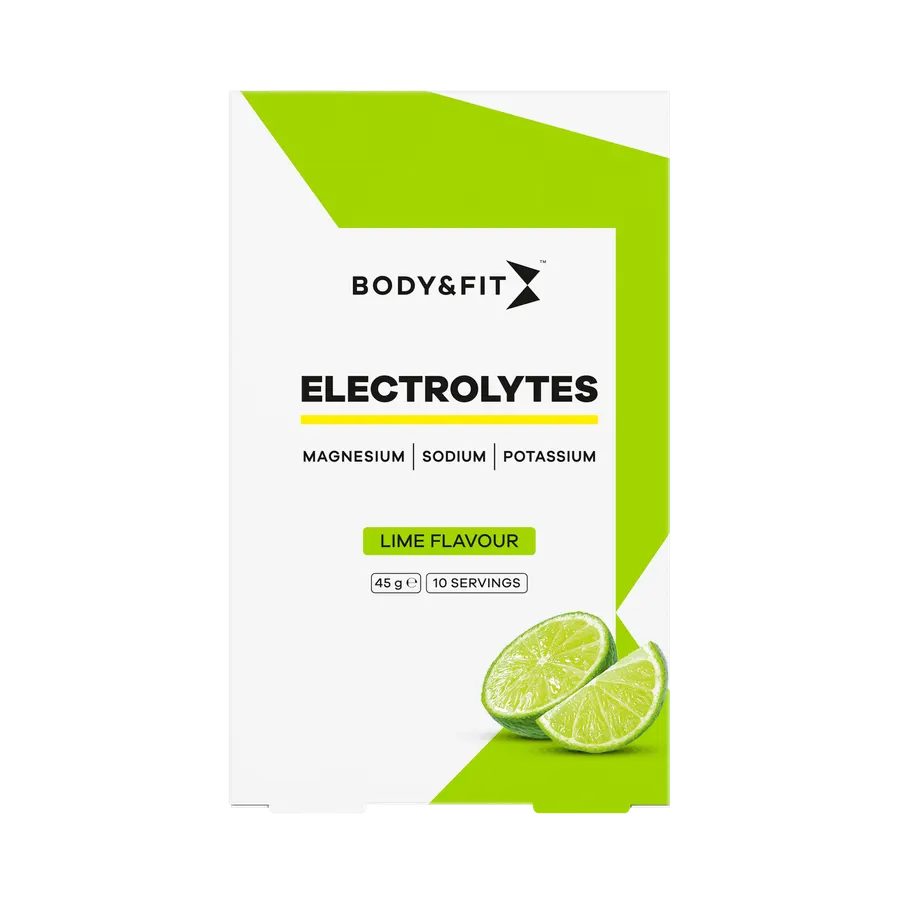
When choosing a blend, check the label for exact dosages and avoid proprietary blends that hide amounts. A well-formulated creatine blend can simplify your stack and enhance overall performance. For strength athletes who want a complete solution, this is a convenient option that covers all bases.
- Tip: Look for blends with added electrolytes if you train in hot conditions or sweat heavily.
Choosing the right creatine supplement for strength training in 2025 depends on your personal tolerance, goals, and preferences. Whether you stick with the classic micronized monohydrate or explore newer forms like HCL or buffered creatine, consistency and proper dosing are key. For a reliable and pure option, consider the Full As F#CK creatine formula, which combines high-quality ingredients to support your muscle power and recovery. Explore our selection to find the perfect fit for your training regimen.


