How to Stay Hydrated During Long Endurance Events: A Complete Guide
By Body&Fit | Published: 2026-07-18
Category: ハウツーガイド
Learn the science of hydration for endurance sports, including water intake timing, electrolyte balance, and practical tips to boost performance during long runs, rides, or triathlons.
Endurance events like marathons, century rides, or triathlons push your body to its limits for hours on end. While most athletes focus on fueling with carbs and protein, hydration often takes a backseat—until cramps, fatigue, or dizziness set in. Proper hydration is not just about drinking water; it's about maintaining the right balance of fluids and electrolytes to sustain performance and prevent hyponatremia or dehydration.
In this guide, we break down the science of staying hydrated during long endurance events, from pre-race prep to post-finish recovery. You'll learn how much to drink, when to drink it, and which supplements can help you maintain peak performance without overhydrating. Whether you're a marathoner, ultra-runner, or triathlete, these strategies will keep you moving strong.
Why Hydration Matters for Endurance Performance
During prolonged exercise, your body loses water and electrolytes through sweat. Even a 2% loss of body weight from dehydration can impair cognitive function, reduce blood volume, and increase heart rate, making every mile feel harder. Proper hydration helps regulate body temperature, lubricate joints, and transport nutrients to working muscles. For events lasting over two hours, neglecting fluid balance can lead to early fatigue, muscle cramps, or heat-related illnesses.
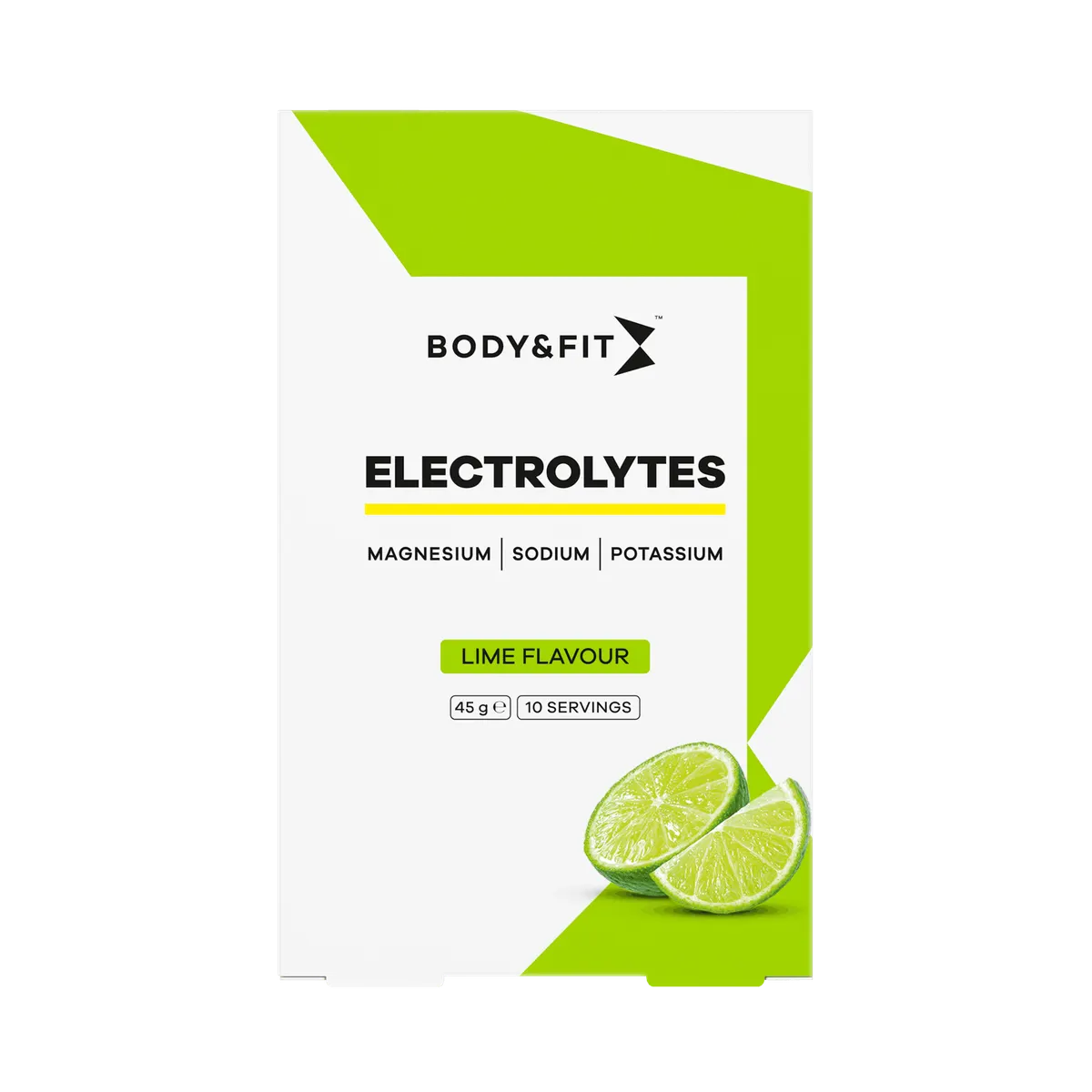
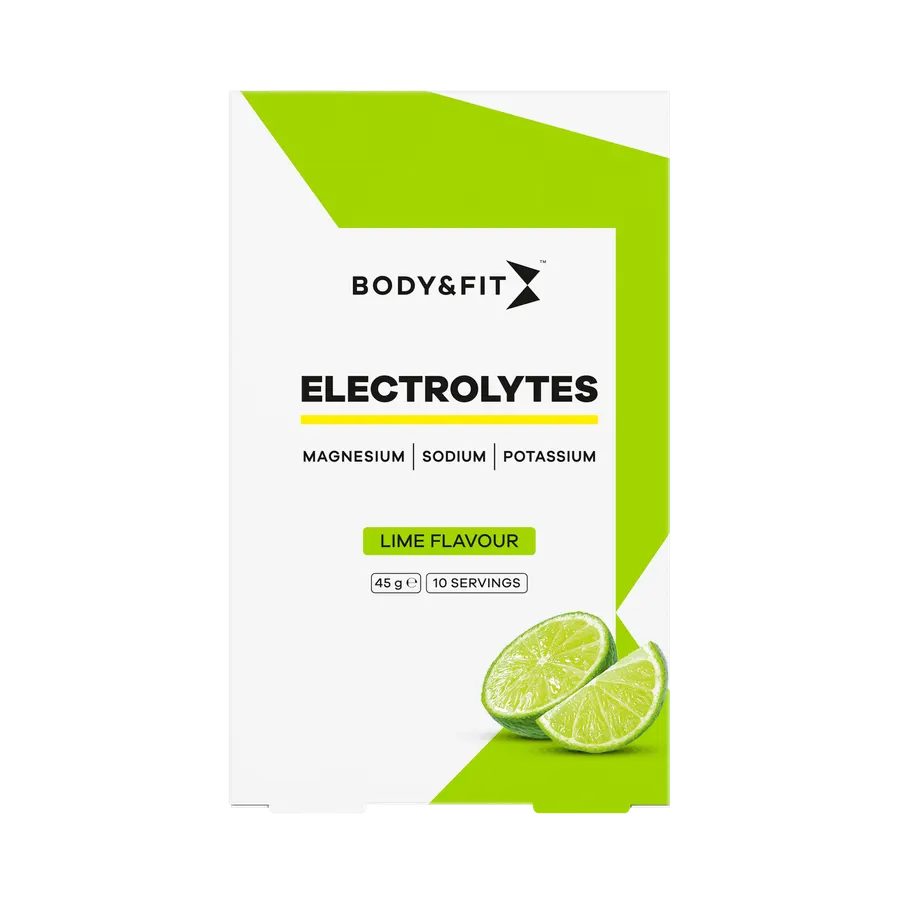
Electrolytes—especially sodium, potassium, magnesium, and calcium—are essential for nerve signaling and muscle contraction. Sweat isn't just water; it's a complex solution of these minerals. Replacing only water without electrolytes can dilute your blood sodium levels, a dangerous condition called hyponatremia. That's why many athletes rely on electrolyte supplements to maintain balance during long efforts.
- Aim to start your event well-hydrated: drink 500–600 ml of water 2–3 hours before the start.
- Monitor urine color: pale yellow indicates good hydration; dark yellow means you need more fluids.
How Much Water Should You Drink During an Endurance Event?
There's no one-size-fits-all answer, as sweat rates vary based on temperature, humidity, intensity, and individual physiology. A common guideline is to drink 400–800 ml per hour, but this can be adjusted based on thirst and sweat loss. Weighing yourself before and after a training session can give you a personalized estimate: for every kilogram lost, drink about 1 liter of fluid.
Overdrinking is just as risky as underdrinking. Drinking too much plain water without electrolytes can lead to hyponatremia, which causes nausea, headache, confusion, and in severe cases, seizures. To avoid this, alternate water with an electrolyte drink or use electrolyte tablets in your bottles. Many endurance athletes find that a mix of water and a sports drink with sodium and potassium works best for events longer than 90 minutes.
- Use a hydration plan: know where aid stations are and carry your own bottles if needed.
- Practice your hydration strategy during long training runs to avoid GI distress on race day.
The Role of Electrolytes in Sustaining Performance
Electrolytes are the unsung heroes of endurance hydration. Sodium is the most critical electrolyte lost in sweat—it helps retain fluid and maintain blood volume. Without enough sodium, your body can't absorb water efficiently, and you may experience muscle cramps or bloating. Potassium supports muscle function and prevents cramping, while magnesium aids energy production and reduces fatigue.
Many endurance athletes supplement with electrolyte powders, tablets, or drinks. For example, products like Ghost Pump contain ingredients that support blood flow and hydration, making them a popular choice for pre-workout or mid-race hydration. However, it's important to choose products that match your needs—some are high in caffeine, which can be dehydrating if overused. For a clean option, look for sugar-free electrolyte blends that provide essential minerals without unnecessary calories.

- Look for electrolyte supplements with at least 200–400 mg of sodium per serving for long events.
- Avoid high-sugar sports drinks if you're already consuming gels or bars—they can cause stomach issues.
Pre-Hydration and Post-Event Recovery
Hydration doesn't start at the starting line. In the days leading up to your event, increase your water intake and include electrolyte-rich foods like bananas, leafy greens, and nuts. On race morning, drink 500–600 ml of water with a pinch of salt or an electrolyte tablet about two hours before the gun goes off. This gives your kidneys time to process the fluid and ensures you start in a hydrated state without needing a bathroom break mid-race.
After crossing the finish line, your recovery begins with rehydration. Weigh yourself to estimate fluid loss, then drink 1.25–1.5 liters of fluid for every kilogram lost. A recovery drink that includes protein and electrolytes can help replenish glycogen stores and restore mineral balance. Many athletes pair a whey protein shake with an electrolyte drink, or choose a complete recovery product. For those who prefer plant-based options, Ghost Vegan Protein offers a clean protein source that supports muscle repair without dairy.
- Rehydrate with a mix of water, electrolytes, and a small amount of carbohydrates within 30 minutes post-event.
- Avoid alcohol immediately after racing—it impairs rehydration and muscle recovery.
Common Hydration Mistakes to Avoid
Even experienced athletes make hydration errors. One common mistake is relying solely on thirst—by the time you feel thirsty, you may already be slightly dehydrated. Another is drinking too much water without electrolytes, which can lead to hyponatremia. Some athletes also ignore the weather: on hot, humid days, sweat rates increase, requiring more frequent fluid and electrolyte intake.
Lastly, don't experiment with new hydration products on race day. Always test your plan during training to see how your stomach handles different drinks and gels. Products like Gymbar Iron provide a convenient source of energy and electrolytes in a bar format, but you should try them during long runs first. A well-practiced strategy will keep you comfortable and performing at your best when it counts.
- Set a timer on your watch to remind you to drink every 15–20 minutes during the event.
- If you feel bloated or sloshing in your stomach, slow down your fluid intake and switch to a higher-electrolyte drink.
Staying hydrated during long endurance events is a skill that requires planning, practice, and the right tools. By balancing water intake with electrolytes, listening to your body, and testing your strategy in training, you can avoid common pitfalls and maintain peak performance from start to finish. For a convenient way to support your hydration and recovery, explore options like Ghost Vegan Protein to fuel your post-race recovery with clean, plant-based nutrition.