Are Vegan Protein Bars as Effective as Whey-Based Bars? A Complete Nutritional Comparison

By Body&Fit | Published: 2026-07-18
Category: 商品レビュー
Wondering if vegan protein bars can match whey bars for muscle building and recovery? We break down protein quality, taste, cost, and nutrition to help you decide.
The protein bar aisle has exploded in recent years, with options ranging from classic whey-based bars to an ever-growing selection of plant-powered alternatives. For many athletes and health-conscious consumers, the question isn't just about taste or convenience—it's about effectiveness. Can a vegan protein bar really deliver the same muscle-building benefits as a traditional whey bar?
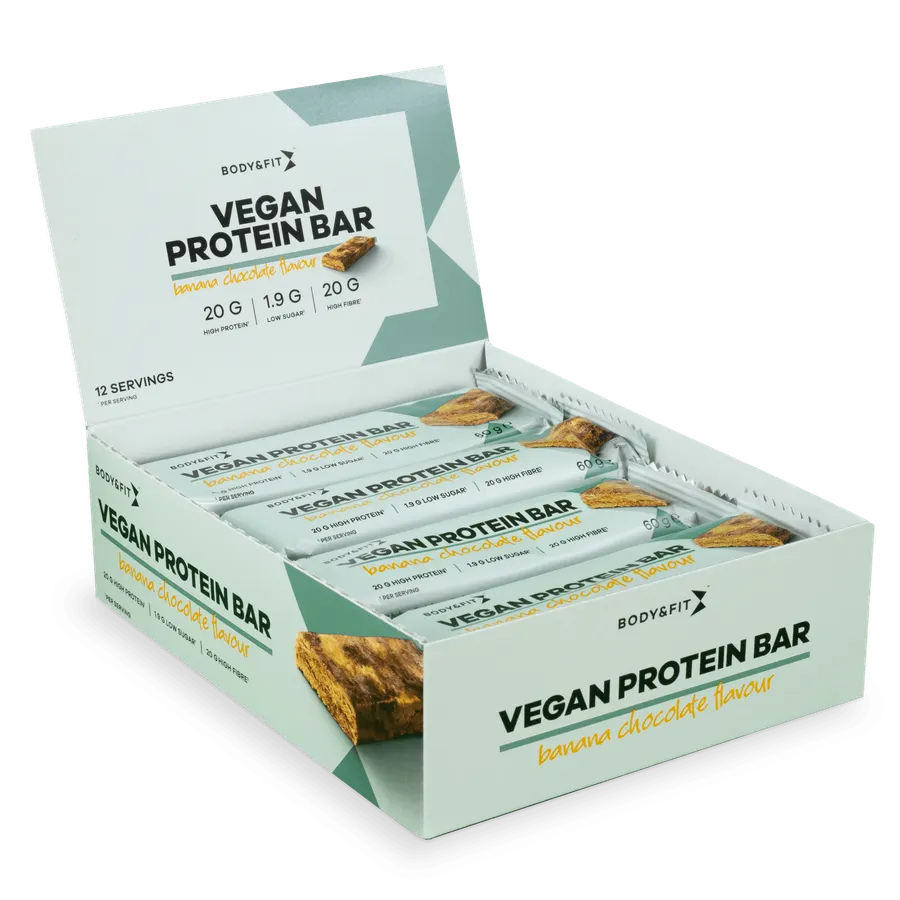
Whether you're lactose intolerant, following a plant-based lifestyle, or simply curious about diversifying your protein sources, understanding the nutritional nuances between these two categories is essential. In this article, we'll compare protein quality, digestibility, amino acid profiles, and overall value to help you make an informed choice for your fitness goals.
Protein Quality: Whey vs. Plant-Based Sources
Whey protein, derived from milk, is often considered the gold standard for muscle protein synthesis due to its complete amino acid profile and rapid digestion. It's rich in leucine, the key amino acid that triggers muscle building. Whey bars typically provide 15–20 grams of protein per serving, with a high biological value that supports quick recovery after workouts.
Vegan protein bars, on the other hand, rely on blends of pea, brown rice, hemp, or soy protein. While individual plant proteins are often incomplete, combining sources like pea and rice creates a full amino acid profile comparable to whey. Many modern vegan bars now deliver 12–18 grams of protein per bar, and with careful formulation, they can stimulate muscle protein synthesis almost as effectively as whey—especially when consumed as part of a balanced diet.
- Whey bars have a higher leucine content per gram, but many vegan bars are now fortified or blended to close the gap.
Digestibility and Gut Comfort
One of the most common reasons people switch to vegan protein bars is digestive comfort. Whey can cause bloating, gas, or discomfort for individuals with lactose intolerance or sensitivity to dairy. Vegan bars, made from plant proteins, are naturally lactose-free and often easier on the stomach, making them a great option for those with sensitive digestion.
That said, some plant proteins—especially those high in fiber like pea or hemp—can also cause gas if you're not used to a high-fiber diet. The key is to choose bars with clean ingredient lists and moderate fiber content. For example, the Nakd Protein Bar uses simple, whole-food ingredients like dates and nuts, offering a gentle digestive experience while still packing a solid protein punch.

- If you have a sensitive stomach, try a plant-based bar with minimal additives and no sugar alcohols.
Amino Acid Profile and Muscle Recovery
When it comes to muscle recovery, the amino acid profile matters as much as total protein content. Whey is naturally high in branched-chain amino acids (BCAAs), particularly leucine, which directly stimulates muscle repair. Vegan bars can achieve a similar effect when formulated with complementary plant proteins. Soy protein, for instance, has a complete amino acid profile, while pea and rice together provide all essential amino acids.
Research shows that post-exercise muscle protein synthesis can be comparable between whey and high-quality plant protein blends, provided the total leucine dose is sufficient (around 2–3 grams per serving). Many premium vegan bars now meet this threshold, making them a viable option for recovery. For athletes who want the convenience of a bar without dairy, products like the Nakd Protein Bar offer a clean, plant-based alternative that supports muscle repair.
- Look for vegan bars with at least 2 grams of leucine per serving to maximize muscle recovery.
Taste, Texture, and Ingredient Quality
Taste and texture are often deciding factors. Whey bars tend to have a creamy, chewy texture and a familiar milky flavor that many people enjoy. However, they can sometimes be overly processed, with added sugars, artificial sweeteners, and preservatives. Vegan bars, by contrast, often have a denser, chewier texture due to whole-food ingredients like dates, nuts, and seeds.
The best vegan bars prioritize simple, recognizable ingredients without sacrificing flavor. For example, the Nakd Protein Bar uses just a handful of whole-food ingredients—no artificial flavors or refined sugars—making it a clean choice for those who value ingredient transparency. While taste is subjective, many consumers find that high-quality vegan bars rival whey bars in flavor, especially when they incorporate cocoa, peanut butter, or fruit.
- If you prefer a softer texture, look for bars with date or almond butter bases; for a crunchier bite, choose bars with whole nuts or seeds.
Cost and Accessibility
Price is another factor to weigh. Whey-based bars are often more affordable due to the lower cost of dairy protein production. Vegan protein bars can be slightly more expensive, especially those made with organic or specialty ingredients like pea protein isolate or brown rice protein. However, the price gap has narrowed as demand for plant-based options has grown.
Both types of bars are widely available online and in stores. For budget-conscious shoppers, buying in bulk or during sales can help reduce costs. It's also worth considering the overall nutritional value: a bar with higher fiber, fewer additives, and sustainable ingredients may justify a slightly higher price tag for many consumers.
- Compare cost per gram of protein when shopping—some vegan bars offer competitive value, especially when purchased in multi-packs.
Whether you choose a whey-based or vegan protein bar ultimately depends on your dietary preferences, digestive tolerance, and fitness goals. Both can be effective for muscle recovery and daily nutrition when chosen wisely. For a clean, plant-powered option that delivers great taste and solid protein, consider trying the Nakd Protein Bar—it's a perfect example of how vegan bars can stand toe-to-toe with traditional whey options.