Zinc Picolinate vs Zinc Citrate: Which Form Is Best for Immune Support and Recovery?

By Body&Fit NL | Sportvoeding, Eiwitten & Voedingssupplementen | Published: 2026-07-25
Category: 比較
Compare zinc picolinate and zinc citrate for immune support and recovery. Learn about absorption, benefits, and how to choose the best zinc form for your needs.
Zinc is a mineral you can't afford to overlook if you're serious about training, recovery, and staying healthy. It supports immune function, protein synthesis, and wound healing — all critical when you're pushing your body in the gym. But with so many zinc supplements on the shelf, the choice between zinc picolinate and zinc citrate can feel confusing. Both are chelated forms designed to improve absorption, but they differ in how your body handles them. Let's break down the science so you can pick the right one for your goals.
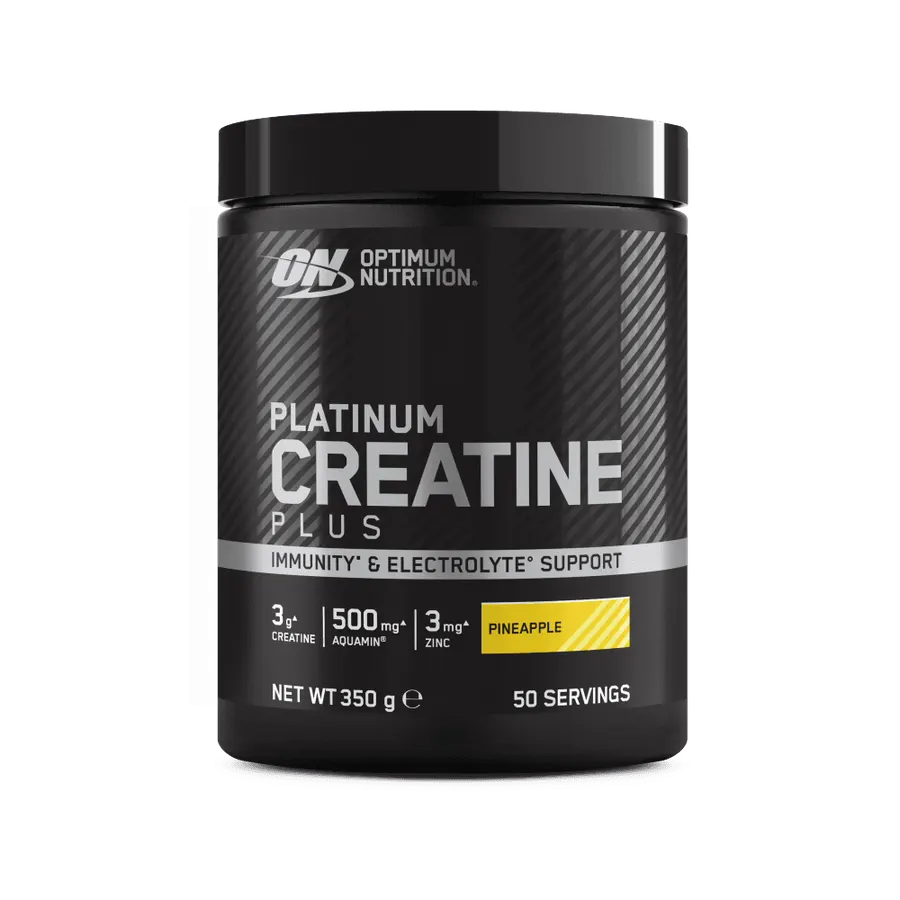
In this comparison, we'll look at absorption rates, immune benefits, recovery support, and practical considerations like cost and stomach tolerance. By the end, you'll know which form fits your routine — and whether you might want to pair it with other supplements like Platinum Creatine Plus for a complete recovery stack.
Understanding Zinc Absorption: Zinc Picolinate vs Zinc Citrate
Zinc absorption is the key difference between these two forms. Zinc picolinate is bound to picolinic acid, a natural chelator produced in the pancreas. This binding helps transport zinc across the intestinal wall, leading to higher bioavailability in many studies. Zinc citrate, on the other hand, uses citric acid — mildly acidic and well-tolerated, but some research suggests it may be slightly less absorbable than picolinate, especially if taken with foods high in phytates (like whole grains or legumes).
For everyday use, both forms are a significant upgrade over zinc oxide or zinc sulfate, which are poorly absorbed. If you want the highest possible absorption with minimal gastrointestinal upset, zinc picolinate is often recommended. However, zinc citrate is still very effective and often cheaper per milligram. Your choice may depend on whether you prioritize peak bioavailability or value.
- Tip: Take zinc on an empty stomach or with a low-phytate meal to maximise absorption. If you experience nausea, try taking it with a small snack.
Immune Support: Which Zinc Form Works Best?
Zinc is essential for the development and function of immune cells, including neutrophils and natural killer cells. A deficiency can weaken your defences and slow recovery from illness. Both zinc picolinate and zinc citrate effectively raise blood zinc levels, but the faster absorption of picolinate may offer a slight edge when you need to correct a deficiency quickly. That said, the difference is small for most people with adequate dietary intake.
If you're training hard during cold and flu season, maintaining consistent zinc levels is more important than the exact form. Zinc citrate is a reliable, budget-friendly option for daily immune support. Zinc picolinate can be a good choice if you have digestive issues that might hinder absorption. Remember that zinc competes with copper for absorption, so consider a balanced formula or a separate copper supplement if you take high doses long-term.
Recovery and Muscle Repair: Zinc's Role and Best Form
Zinc is a cofactor for over 300 enzymes, including those involved in protein synthesis and tissue repair. After intense workouts, your body needs zinc to rebuild muscle fibres and manage oxidative stress. Both zinc picolinate and zinc citrate can support this process, but picolinate's superior absorption might help you reach optimal levels faster, especially if you train frequently or follow a vegetarian diet (which often has lower zinc bioavailability).
For a comprehensive recovery approach, consider stacking your zinc with other evidence-based supplements. For example, Platinum Creatine Plus supports strength and muscle volume, while zinc aids the underlying repair processes. A post-workout snack like Smart Crunchy Wafels can provide quick protein and carbs alongside your zinc dose for a complete recovery window.

- Note: Aim for 15–30 mg of elemental zinc per day from supplements, but don't exceed 40 mg long-term without medical advice.
Choosing the Right Zinc Supplement for You
Still undecided? Start by considering your stomach. Zinc citrate is generally gentle and less likely to cause nausea, making it a good choice for those with sensitive digestion. Zinc picolinate is also well-tolerated but sometimes reported to cause minor upset in very high doses. If you have a known absorption issue — like Crohn's, celiac, or a history of gastric bypass — picolinate's higher bioavailability may be worth the extra cost.
Next, think about your budget. Zinc citrate is widely available and usually cheaper per milligram of elemental zinc. Zinc picolinate costs a bit more but offers the theoretical absorption advantage. Finally, consider your overall supplement stack. If you're already taking several minerals, you might prefer zinc citrate to avoid overloading on picolinic acid. Either way, consistent daily intake matters more than the specific form.
- Quick guide: Zinc picolinate — best absorption, ideal for deficiency or compromised digestion. Zinc citrate — great all-rounder, gentle on stomach, good value.
- Both forms work well for immune support and recovery. Choose based on your personal priorities.
How to Incorporate Zinc into Your Routine
Timing matters for zinc absorption. Take it 30–60 minutes before meals or at least 2 hours after a high-phytate meal. Avoid taking zinc with calcium, iron, or copper supplements at the same time — space them out by a few hours. Many athletes take zinc in the evening because it may support sleep quality and testosterone production, though research is mixed.
To build a recovery-focused stack, combine zinc with other mineral supports. For example, a post-workout meal could include a Smart Crunchy Wafels for protein and a small zinc dose. For long-term muscle maintenance, Platinum Creatine Plus is a natural partner. Remember, zinc is just one piece of the puzzle — adequate protein, sleep, and hydration are equally important for recovery.
When it comes to zinc picolinate vs zinc citrate, there's no absolute winner — it depends on your body and budget. Zinc picolinate offers superior absorption for those who need it most, while zinc citrate delivers reliable immune and recovery support at a lower cost. Whichever you choose, consistent intake alongside a balanced diet and smart training will keep your immunity strong and your muscles repairing efficiently.


