Why Electrolytes Are Essential for High-Intensity Interval Training (HIIT)
By Body&Fit | Published: 2026-07-18
Category: 업계 뉴스
Discover why electrolytes are critical for HIIT performance, how they prevent cramping and fatigue, and the best ways to replenish them post-workout.
High-Intensity Interval Training (HIIT) pushes your body to its limits with short bursts of explosive effort followed by brief recovery periods. Whether you're sprinting, cycling, or doing burpees, HIIT demands maximum energy output, which leads to heavy sweating and rapid fluid loss. While most athletes focus on pre-workout fuel or protein recovery, electrolyte balance is often overlooked—yet it's the key to sustaining performance and avoiding early fatigue.
Electrolytes—such as sodium, potassium, magnesium, and calcium—are minerals that carry an electric charge and regulate nerve function, muscle contraction, and hydration. During HIIT, you lose these vital minerals through sweat at a much higher rate than during steady-state cardio. Without proper replenishment, you risk dehydration, muscle cramps, dizziness, and a drop in power output. In this article, we'll explore why electrolytes matter specifically for HIIT, how to recognize deficiency, and the best ways to keep your levels optimal.
How HIIT Affects Electrolyte Loss
HIIT workouts elevate your heart rate rapidly and increase body temperature, triggering significant sweating within minutes. Unlike long, moderate runs where sweat loss is gradual, HIIT causes a sudden and concentrated loss of fluids and electrolytes. Studies show that athletes can lose up to 1-2 liters of sweat per hour during intense interval training, with sodium being the most abundant electrolyte lost. This loss can impair nerve signaling and muscle contraction, leading to reduced force production and slower reaction times.
Magnesium and potassium are also heavily depleted during HIIT. Magnesium helps with energy production and muscle relaxation, while potassium is crucial for preventing muscle cramps and maintaining heart rhythm. When these levels drop, you may experience early fatigue, muscle twitching, or even nausea. Replenishing electrolytes during or after HIIT is not just about thirst—it's about sustaining the intensity needed to complete your intervals effectively.
- Tip: Weigh yourself before and after a HIIT session to estimate fluid loss. For every pound lost, drink 16-24 ounces of electrolyte-rich fluid.
Signs You're Low on Electrolytes During HIIT
Recognizing electrolyte imbalance early can prevent a ruined workout or even injury. Common signs include muscle cramps (especially in the calves or hamstrings), dizziness, headaches, dark urine, and a feeling of weakness despite not being exhausted. During HIIT, you might notice your sprint times slowing or your ability to recover between intervals diminishing. These symptoms often appear before you feel thirsty, so relying on thirst alone is unreliable.
Another subtle sign is a dry mouth or excessive thirst that doesn't go away after drinking water—this indicates your body needs electrolytes, not just plain water. If you experience heart palpitations or confusion, stop immediately and hydrate with an electrolyte solution. For athletes who train in hot environments or wear heavy gear, the risk is even higher. Monitoring your sweat rate and urine color can help you stay ahead of deficiency.
- Practical tip: Keep a bottle of electrolyte drink nearby during HIIT sessions and sip between intervals rather than chugging all at once.
Best Ways to Replenish Electrolytes for HIIT
The most effective way to replenish electrolytes is through a combination of water and electrolyte supplements. Plain water rehydrates but doesn't replace the sodium, potassium, and magnesium lost in sweat. Look for drinks that contain around 200-400 mg of sodium per serving, as sodium is the primary electrolyte lost. Many athletes turn to electrolyte powders or tablets that can be added to water for quick absorption without added sugar.
Food sources also help: bananas for potassium, leafy greens for magnesium, and salted nuts for sodium. However, during intense training blocks, supplements offer convenience and precision. For example, adding an electrolyte mix to your post-workout shake can speed recovery and reduce muscle soreness. Remember to avoid over-hydrating with plain water, which can dilute sodium levels and lead to hyponatremia—a dangerous condition. Balance is key.
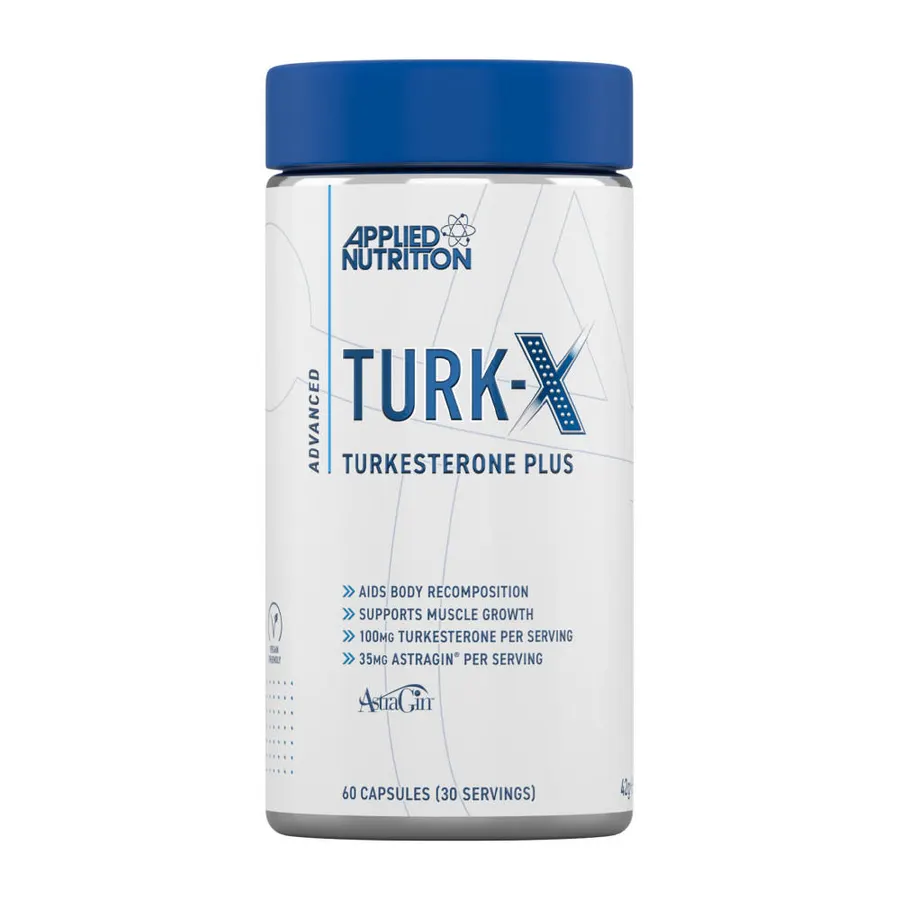
- Product note: Consider using the Turk X - Applied Nutrition for a comprehensive electrolyte and recovery blend that supports muscle function post-HIIT.
Integrating Electrolytes into Your HIIT Routine
To optimize performance, start hydrating before your workout. Drink 16-20 ounces of water with electrolytes about 30 minutes before HIIT. During the session, aim for 4-8 ounces every 15-20 minutes, especially if you're sweating heavily. After your workout, continue to drink electrolyte-rich fluids for the next hour to restore balance. This strategy helps maintain blood volume, regulate body temperature, and prevent cramps.
For athletes who train twice a day or do long HIIT sessions (over 45 minutes), consider a product that combines electrolytes with carbohydrates for faster absorption. Some athletes also benefit from magnesium supplements at night to aid muscle relaxation and sleep quality. Experiment with different electrolyte sources to find what works for your body, and adjust based on sweat rate and workout intensity. Consistency is more important than quantity.
- Tip: Avoid caffeinated drinks before HIIT if you're prone to electrolyte loss, as caffeine can increase urine output and further deplete minerals.
Electrolytes are not just for marathon runners or summer athletes—they are a critical component of HIIT performance. By understanding how HIIT depletes these minerals and taking proactive steps to replenish them, you can maintain intensity, reduce cramping, and recover faster. Whether through whole foods or targeted supplements, prioritizing electrolyte balance will elevate your training results. For a convenient post-workout option, explore the Turk X - Applied Nutrition to support your recovery and keep your electrolytes in check.