The Truth About Protein Timing: Does It Really Matter?

By Body&Fit | Published: 2026-07-18
Category: ข่าวสารวงการ
Explore the science behind protein timing and the anabolic window. Learn if meal frequency matters for muscle growth or if total daily intake is key.
For decades, fitness enthusiasts have been told that consuming protein within 30 minutes after a workout is non-negotiable for maximum muscle growth. This concept, known as the anabolic window, suggests that there is a narrow period post-exercise when muscles are primed to absorb nutrients. But is this advice backed by solid science, or is it just another nutrition myth?
In this article, we dive deep into the research on protein timing, muscle protein synthesis, and meal frequency. We'll separate fact from fiction and help you understand how to optimize your nutrition for strength and hypertrophy, whether you're a casual gym-goer or a competitive athlete.
What Is the Anabolic Window?
The anabolic window refers to a theoretical period after exercise—typically 30 minutes to 2 hours—when your body is believed to be in a heightened state of muscle protein synthesis. During this time, consuming protein is thought to maximize muscle repair and growth. The theory gained popularity in the 2000s, driven by early studies on fasted training and amino acid timing.
However, more recent research suggests that the window is much wider than once believed. For most people who eat regular meals throughout the day, the total amount of protein consumed per day is far more important than the exact timing of a single post-workout shake. In fact, a 2017 meta-analysis found that protein timing had minimal impact on muscle growth when total daily protein intake was adequate.
- Practical tip: If you train fasted or go more than 4-6 hours without eating after a workout, prioritize a protein-rich meal or supplement like a whey shake to support recovery.
Muscle Protein Synthesis: The Real Driver of Growth
Muscle protein synthesis (MPS) is the biological process that repairs and builds new muscle tissue. It is stimulated by both resistance training and dietary protein, particularly the amino acid leucine. To maximize MPS throughout the day, research suggests consuming 20-40 grams of high-quality protein every 3-4 hours, rather than front-loading all your protein in one or two meals.
This concept, known as protein distribution, is supported by studies showing that evenly spaced protein doses lead to greater 24-hour MPS compared to skewed patterns. For example, a 2014 study in the Journal of Nutrition found that consuming 30 grams of protein at breakfast, lunch, and dinner resulted in higher MPS than a pattern of 10 grams at breakfast, 15 at lunch, and 65 at dinner. This highlights that total daily intake and distribution matter more than a single post-workout window.
- Practical tip: Aim for 3-4 protein servings per day, each containing 0.4-0.55 g/kg of body weight, to keep MPS elevated consistently.
Does Pre-Workout Nutrition Change the Equation?
What you eat before training can influence how much protein you need immediately after. If you consume a protein-rich meal 1-2 hours before your workout, your blood amino acid levels will still be elevated when you finish training. In this case, the anabolic window is effectively extended, and you have more flexibility in your post-workout timing.
Many athletes use pre-workout supplements to enhance performance and support nutrient delivery. Products like Total War Pump contain ingredients such as citrulline malate and beta-alanine that improve blood flow and reduce fatigue. When combined with a pre-training meal that includes protein, these supplements can help you train harder while maintaining a steady supply of amino acids to muscles.
- Practical tip: If you use a pre-workout, pair it with a small protein source (e.g., a shake or a few eggs) 30-60 minutes before training to extend your post-workout window.
How Total Daily Protein Intake Overrides Timing
The strongest predictor of muscle growth is total daily protein intake, not the timing of a single dose. For most athletes, consuming 1.6-2.2 grams of protein per kilogram of body weight per day is sufficient to maximize gains. When you meet this threshold, the benefits of precise timing become negligible.
For example, a 2013 study in the Journal of the International Society of Sports Nutrition compared groups that consumed protein immediately after exercise versus two hours later. Both groups experienced similar gains in muscle mass and strength over 12 weeks, as long as total daily intake was matched. This suggests that the anabolic window is a myth for those who eat enough protein overall.
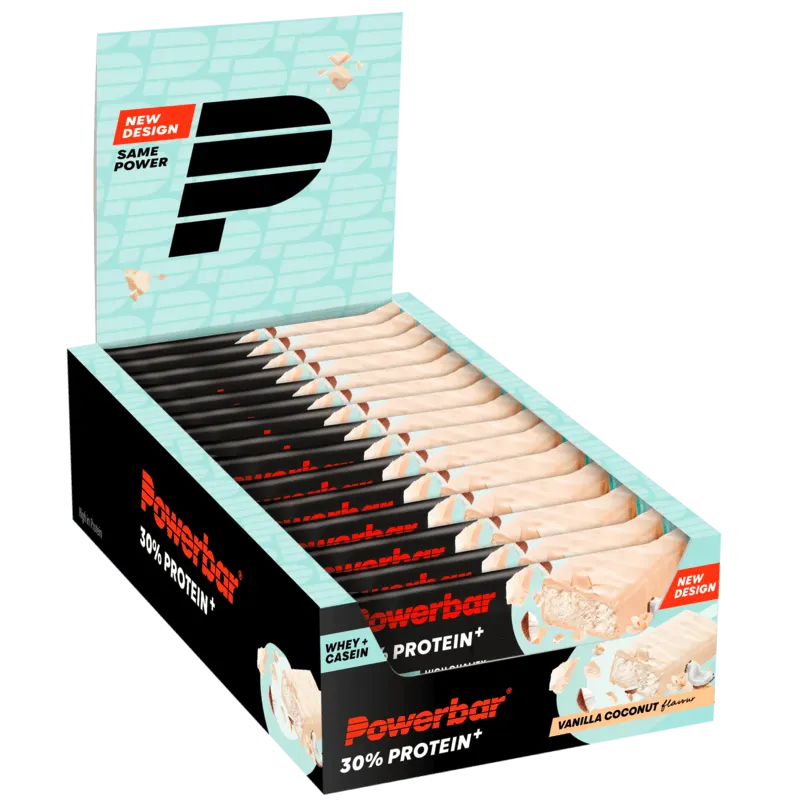
To hit your daily targets easily, consider convenient options like PowerBar 30% Protein+, which delivers 30 grams of protein per bar. These are perfect for busy athletes who need a portable, high-protein snack between meals.
- Practical tip: Track your protein intake for a few days to ensure you're hitting 1.6-2.2 g/kg. Adjust with whole foods or supplements as needed.
Special Cases: When Timing Might Matter
While timing is not critical for most people, there are scenarios where it becomes more relevant. For example, athletes who train twice a day, those on calorie-restricted diets, or individuals who train in a fasted state may benefit from prioritizing post-workout protein. In these cases, the window of opportunity for MPS can be narrower due to lower baseline amino acid levels.
Additionally, older adults experience a phenomenon called anabolic resistance, meaning their muscles are less responsive to protein. For this population, consuming a higher dose of protein (40-50 grams) immediately after exercise may be beneficial. Similarly, endurance athletes who deplete glycogen stores may benefit from combining protein with carbohydrates post-exercise to enhance recovery.
- Practical tip: If you fall into one of these special categories, aim to consume 0.4 g/kg of protein within two hours after training.
In summary, protein timing is not the make-or-break factor it's often hyped to be. For the vast majority of active individuals, focusing on total daily protein intake and consistent meal distribution will yield the best results for muscle growth and recovery. While the anabolic window does exist in theory, it's wide enough that you don't need to rush for a shake the second you drop the barbell. Build a solid foundation with high-quality protein sources, and let consistency do the heavy lifting. Explore our range of protein products to find the perfect fit for your routine.