The Rise of Plant-Based Sports Nutrition: Trends and Innovations for Vegan Athletes
By Body&Fit | Published: 2026-07-18
Category: Tin tức ngành
Explore the latest trends and innovations in plant-based sports nutrition, from vegan protein powders to eco-friendly supplements, and learn how to fuel your fitness naturally.
The world of sports nutrition is undergoing a green revolution. More athletes than ever are turning to plant-based diets, driven by concerns for health, animal welfare, and the environment. This shift has sparked a wave of innovation in the supplement industry, creating exciting new products that deliver performance without compromise.
Whether you're a seasoned vegan lifter or simply curious about reducing your reliance on animal-based proteins, understanding the latest trends in plant-based sports nutrition can help you make smarter choices. From advanced protein blends to eco-friendly packaging, here’s what’s shaping the future of fitness.
Why Plant-Based Sports Nutrition Is Booming
The global plant-based protein market is projected to grow significantly over the next decade, and sports nutrition is a key driver. Athletes are discovering that plant-based sources like pea, rice, hemp, and pumpkin seed protein can match—and sometimes exceed—the amino acid profiles of whey and casein. This shift is supported by research showing that plant-based diets can reduce inflammation, improve recovery, and support heart health.
Another factor is consumer demand for clean labels. Modern athletes want supplements with minimal ingredients, no artificial additives, and sustainable sourcing. Brands are responding by creating products that are not only effective but also transparent about their environmental impact. This trend is especially strong among younger demographics who prioritize ethical consumption.
- Plant proteins often contain fiber and antioxidants, offering additional health benefits beyond muscle repair.
- Many plant-based supplements are now fortified with B12, iron, and zinc to address common vegan nutrient gaps.
Innovations in Vegan Protein Powders and Bars
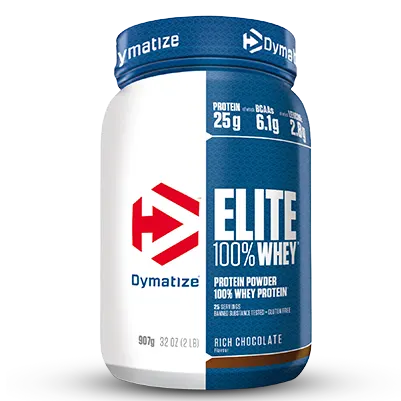
One of the most exciting developments is the improvement in taste and texture. Early plant-based powders were often gritty or chalky, but modern blends use advanced processing to create smooth, creamy shakes. Products like Elite Whey Protein have set a high bar, and now vegan alternatives are catching up with similar mouthfeel and mixability.

Protein bars have also evolved. Brands are moving away from sugary, processed bars toward whole-food options packed with nuts, seeds, and natural sweeteners. The Trek Protein Oat Bar Mix Box is a great example of a plant-based bar that delivers clean energy without compromising on flavor. These innovations make it easier for athletes to meet their protein needs on the go.

- Look for protein powders that combine multiple plant sources to ensure a complete amino acid profile.
- Check the sugar content in protein bars—many plant-based options are now sweetened with stevia or monk fruit.
Trending Ingredients: From Adaptogens to Digestive Enzymes
Plant-based sports nutrition is not just about protein. Adaptogens like ashwagandha, rhodiola, and maca are gaining popularity for their ability to reduce stress and improve endurance. These herbs are often added to pre-workout formulas to support energy without the jitters associated with high caffeine doses.
Digestive enzymes are another innovation. Since plant proteins can be harder to digest for some people, brands are incorporating enzymes like bromelain and papain to enhance absorption. This attention to gut health reflects a broader trend toward holistic wellness in the fitness community.
- If you experience bloating with plant proteins, try a product that includes digestive enzymes.
- Adaptogenic pre-workouts can be a gentler alternative for those sensitive to stimulants.
Sustainability and Ethical Packaging
Eco-conscious athletes are pushing brands to reduce plastic waste and carbon footprints. Many companies now offer refillable pouches, compostable packaging, or plastic-neutral certifications. This aligns with the values of plant-based consumers who want their supplements to reflect their commitment to the planet.
Additionally, some brands are sourcing ingredients from regenerative agriculture, which helps restore soil health and biodiversity. While still a niche trend, it’s gaining traction among premium supplement lines. Choosing products with transparent sourcing can amplify your positive impact.
- Look for brands that use recycled materials for their supplement containers.
- Support companies that publish sustainability reports or partner with environmental organizations.
How to Transition to Plant-Based Sports Nutrition
Switching to plant-based supplements doesn't have to be overwhelming. Start by replacing one product at a time—for example, swap your whey protein for a high-quality pea or rice blend. Pay attention to how your body responds, and adjust your intake of complementary proteins to ensure you're getting all essential amino acids.
For pre-workout energy, consider plant-based options that use natural caffeine sources like green tea or guarana. The Total War Pump is a popular choice that delivers a powerful pump without animal-derived ingredients. Pair it with a balanced diet rich in whole foods to maximize performance and recovery.
- Gradually increase your fiber intake to avoid digestive discomfort when switching to plant-based proteins.
- Track your protein intake using an app to ensure you're meeting your daily goals.
The rise of plant-based sports nutrition is more than a trend—it's a lasting shift toward cleaner, more ethical fuel for athletes. Whether you're exploring vegan protein powders or innovative pre-workouts, there's never been a better time to go green. Check out the Trek Protein Oat Bar Mix Box for a convenient plant-based snack that supports your active lifestyle.