The Science Behind Electrolytes: Staying Hydrated During Intense Workouts
By Body&Fit | Published: 2026-07-18
Category: Hướng dẫn cách làm
Discover how electrolytes work, why they matter for hydration during intense exercise, and how to maintain optimal electrolyte balance for peak performance.
When you push your body through an intense workout, you sweat. And when you sweat, you lose more than just water. You lose essential minerals called electrolytes—sodium, potassium, calcium, magnesium, and chloride. These tiny charged particles are the unsung heroes of your nervous system, muscle contractions, and fluid balance. Without them, even the most dedicated athlete can hit a wall of fatigue, cramping, or dizziness.
Understanding the science behind electrolytes is the key to staying hydrated and performing at your best. In this guide, we'll break down what electrolytes do, how to recognize an imbalance, and the best ways to replenish them—whether you're a gym-goer, a runner, or a weekend warrior. We'll also explore how smart choices, like a quality sports drink or a convenient protein bar, can support your hydration strategy.
What Are Electrolytes and Why Do They Matter?
Electrolytes are minerals that dissolve in your body's fluids and carry an electric charge. This charge is critical for transmitting nerve signals, triggering muscle contractions, and maintaining the right balance of fluids inside and outside your cells. Sodium and potassium, for example, work together like a battery to keep your heart beating rhythmically and your muscles firing smoothly.
During intense exercise, you lose electrolytes through sweat at an accelerated rate. If you only replace water without replenishing these minerals, you can dilute the electrolyte concentration in your blood—a condition known as hyponatremia. This leads to symptoms like nausea, headache, and confusion. On the flip side, a proper electrolyte balance helps prevent cramps, sustains energy, and speeds up recovery.
- Sodium: the primary electrolyte lost in sweat; helps retain water and maintain blood pressure.
- Potassium: crucial for muscle contractions and preventing cramping.
- Magnesium: supports energy production and reduces muscle fatigue.
- Calcium: essential for bone health and muscle signaling.
Signs You Might Be Electrolyte-Deficient
Even seasoned athletes can overlook the early signs of electrolyte imbalance. Common red flags include persistent muscle cramps, unusual fatigue, dark urine, dizziness, or a rapid heart rate. If you feel heavy or sluggish halfway through your workout, your electrolyte levels may be dipping. Another subtle sign is a craving for salty foods—your body's way of asking for more sodium.
The severity of deficiency depends on workout intensity, duration, and environmental factors like heat and humidity. A 60-minute run in summer can deplete electrolytes much faster than a moderate gym session. Paying attention to these signals helps you adjust your hydration strategy before performance suffers.
- Monitor your sweat rate: weigh yourself before and after exercise to estimate fluid loss.
- Check urine color: pale yellow indicates good hydration; dark yellow suggests dehydration.
- Listen to your body: persistent cramps or fatigue are clear warnings.
How to Replenish Electrolytes Effectively
The most efficient way to restore electrolyte balance during or after a workout is through a combination of fluids and electrolytes. Plain water is great for mild activity, but for sessions lasting over an hour or in hot conditions, a sports drink with added sodium and potassium can make a real difference. Products like Celsius sparkling energy drink offer a refreshing boost along with essential electrolytes and caffeine for an extra performance edge.
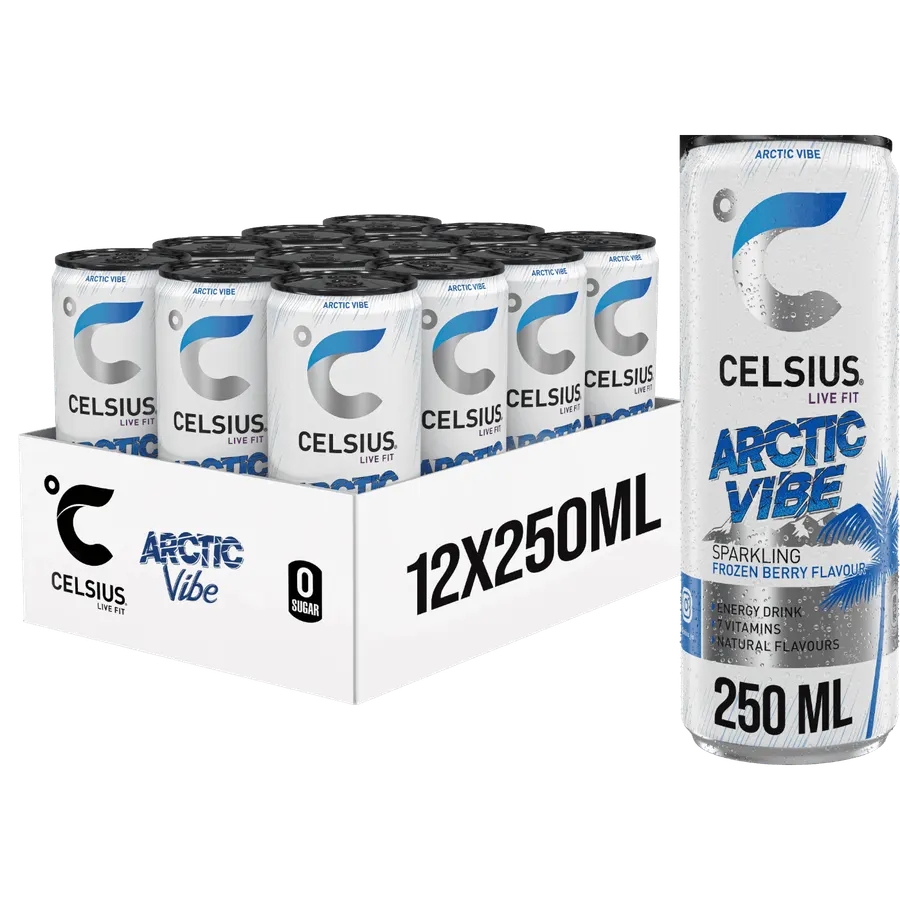
Another smart approach is to pair your hydration with a nutrient-dense snack. For instance, a protein bar like the Fit & Co Protein Bar provides not only protein for muscle repair but also carbohydrates and minerals that support electrolyte retention. Eating a balanced meal with fruits (bananas are rich in potassium) and vegetables within two hours post-workout further helps restore your body's natural balance.
- Drink 500–750 ml of fluid per hour of intense exercise, adjusting for sweat rate.
- Choose a sports drink with 200–400 mg of sodium per serving for optimal absorption.
- Combine hydration with a small snack containing carbs and electrolytes.
Electrolytes vs. Plain Water: What's Best for Your Workout?
For short, low-intensity workouts (under 45 minutes), plain water is usually sufficient to stay hydrated. But as soon as you start sweating heavily or exercising for longer periods, water alone falls short. Without electrolytes, your body cannot absorb water efficiently, and you may end up feeling bloated or still thirsty. This is where an electrolyte-enhanced drink becomes a game-changer.
A well-formulated sports drink not only replaces lost minerals but also provides a small amount of carbohydrates for energy. This dual action helps sustain your performance and delays fatigue. Even if you prefer a low-calorie option, many products now offer electrolyte blends without excess sugar. The key is to match your drink choice to your activity level and sweat rate.
- Short workout (<45 min): stick with water.
- Long or intense workout (>60 min): choose an electrolyte drink.
- Hot or humid conditions: always opt for electrolytes, even for shorter sessions.
Practical Tips for Maintaining Electrolyte Balance All Day
Hydration isn't just about what you drink during exercise—it's a 24-hour process. Start your day with a glass of water and include electrolyte-rich foods in your meals. Leafy greens, nuts, seeds, and dairy products are excellent sources. If you're prone to heavy sweating, consider adding a pinch of sea salt to your water or meals.
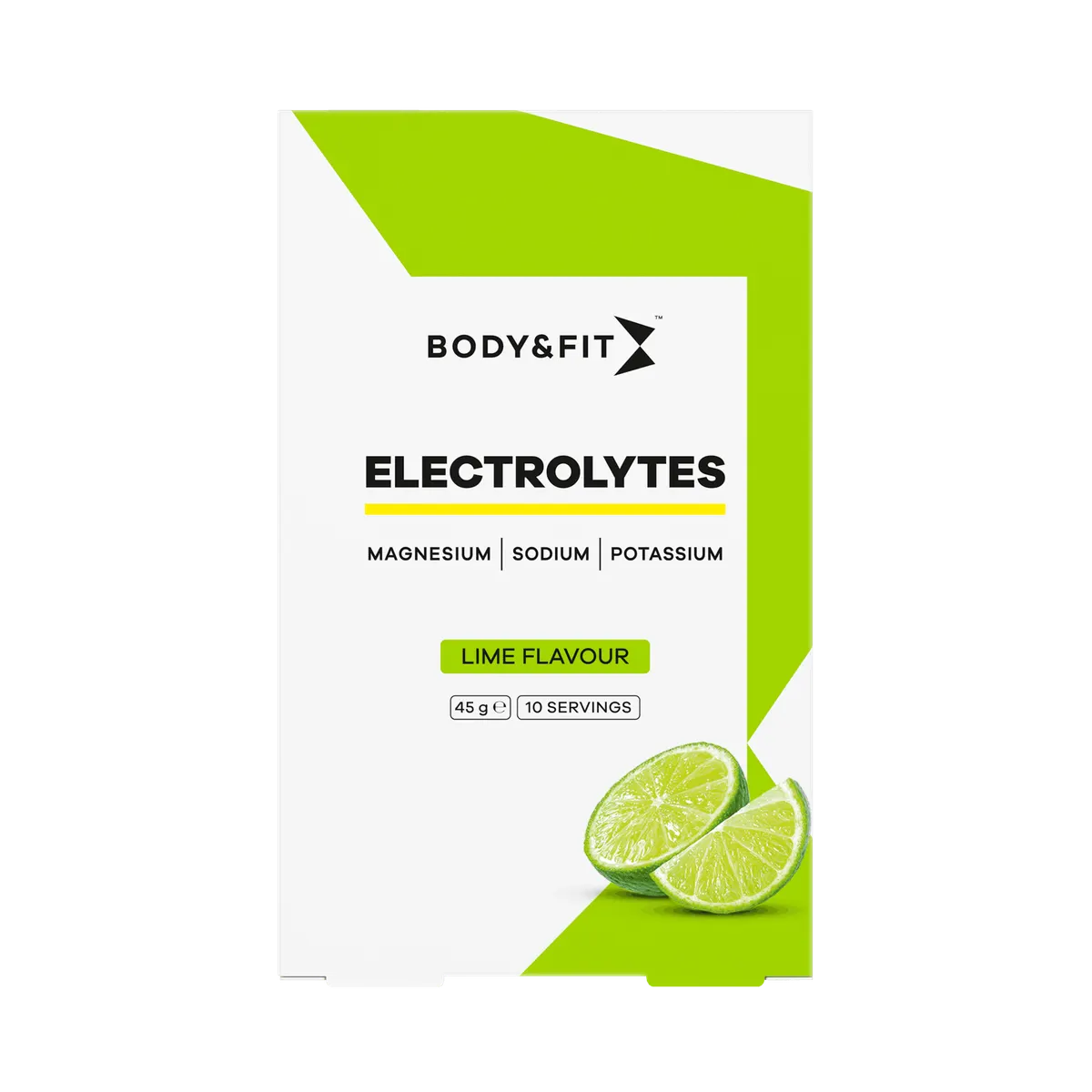
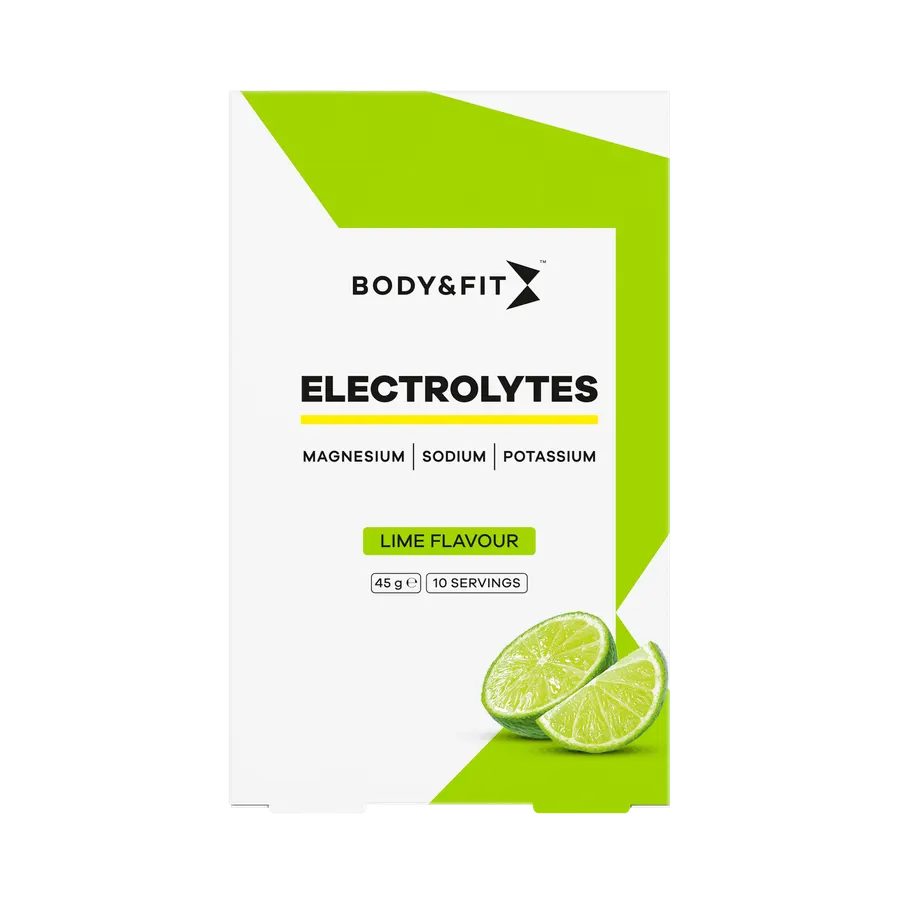
For athletes who train multiple times a day, a dedicated electrolyte supplement can be a convenient solution. Many products come in powder or tablet form that you can add to your water bottle. Also, don't forget that recovery snacks like the Sample Protein Oat Bar deliver a balanced mix of carbs, protein, and minerals to help your body bounce back. Consistency is the secret to staying on top of your hydration game.
- Eat potassium-rich foods like bananas, sweet potatoes, and spinach.
- Include magnesium sources such as almonds, pumpkin seeds, and dark chocolate.
- Use electrolyte tablets or powders for on-the-go replenishment.
Electrolytes are the unsung heroes of your workout performance. By understanding how they work and making smart choices—like sipping an electrolyte drink during long sessions or refueling with a balanced snack—you can keep your body firing on all cylinders. Ready to upgrade your hydration routine? Explore our selection of sports drinks and recovery snacks to find the perfect fit for your training needs.