The Role of Vitamins and Minerals in Athletic Performance

By Body&Fit | Published: 2026-07-18
Category: Berita Industri
Discover how essential vitamins and minerals boost energy, recovery, and endurance for athletes. Learn which nutrients matter most and how to optimize your supplementation.
When it comes to athletic performance, most athletes focus on macronutrients like protein, carbs, and fats. However, the unsung heroes of peak performance are vitamins and minerals. These micronutrients play critical roles in energy production, muscle contraction, oxygen transport, and recovery. Without adequate levels, even the best training plan can fall short.
In this article, we will explore the key vitamins and minerals that directly impact athletic performance, how they work in the body, and practical ways to ensure you are getting enough through diet and supplementation. Whether you are a weekend warrior or a competitive athlete, understanding these nutrients can help you train harder, recover faster, and perform better.
Why Micronutrients Matter for Athletes
Athletes have higher metabolic demands than sedentary individuals. Intense exercise increases the production of free radicals, leading to oxidative stress. Vitamins such as C and E act as antioxidants, neutralizing these free radicals and reducing muscle damage. Minerals like magnesium and potassium are essential for nerve transmission and muscle contraction, preventing cramps and fatigue.
A deficiency in even one micronutrient can impair performance. For example, low iron levels can lead to anemia, reducing oxygen delivery to muscles and causing early fatigue. Similarly, inadequate calcium intake can increase the risk of stress fractures. Therefore, a well-rounded diet rich in fruits, vegetables, whole grains, and lean proteins is the foundation, but many athletes turn to supplements to fill gaps.
- Tip: Pair vitamin C-rich foods (like oranges) with iron-rich foods (like spinach) to enhance absorption.
Key Vitamins for Energy and Recovery
B-complex vitamins, including B1, B2, B3, B6, B12, and folate, are crucial for converting food into energy. They help metabolize carbohydrates, fats, and proteins, fueling your workouts. Vitamin D supports bone health and immune function, while vitamin K2 aids in calcium utilization. Many athletes find it challenging to get optimal levels from diet alone, especially during winter months or restrictive eating patterns.
A high-quality multivitamin can provide a safety net. Products like Opti-Men are formulated specifically for active individuals, delivering a comprehensive blend of vitamins, minerals, and amino acids. This can help ensure you meet your daily requirements without guesswork, supporting energy metabolism and overall vitality.

- Consider taking a multivitamin with breakfast to improve absorption and consistency.
Essential Minerals for Hydration and Muscle Function
Sodium, potassium, calcium, and magnesium are electrolytes that regulate fluid balance, nerve signals, and muscle contractions. During intense exercise, you lose these minerals through sweat. Replenishing them is vital to prevent dehydration, cramps, and performance decline. Magnesium, in particular, is involved in over 300 enzymatic reactions, including protein synthesis and ATP production.
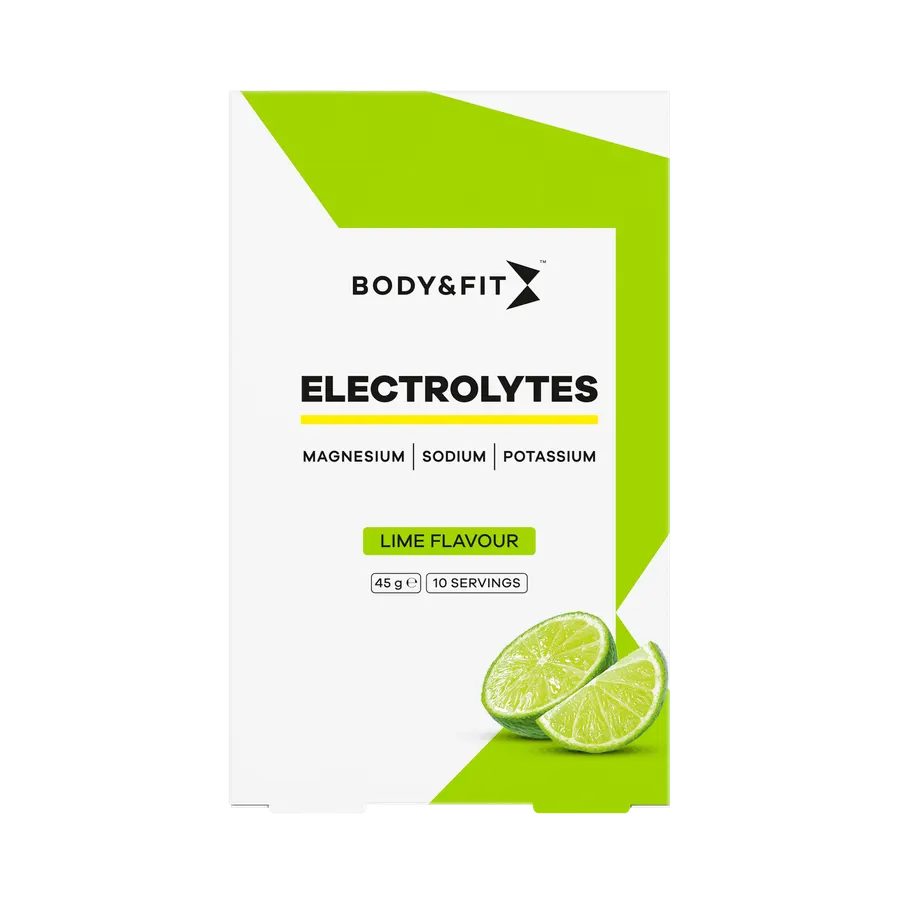
For athletes who train in hot conditions or for prolonged periods, an electrolyte drink can be beneficial. Options like Applied Nutrition Performance Energy Drink provide a convenient way to replenish electrolytes and carbohydrates during or after workouts. Alternatively, adding a pinch of salt to your water or eating a banana can help, but targeted supplementation ensures precise dosing.
- Tip: Drink electrolyte-rich fluids before, during, and after exercise, especially in hot weather.
Iron and Zinc: The Overlooked Performers
Iron is essential for oxygen transport via hemoglobin and myoglobin. Athletes, especially female runners and vegetarians, are at risk of iron deficiency. Symptoms include fatigue, weakness, and reduced endurance. Zinc supports immune function, protein synthesis, and wound healing. Both minerals are often low in athletes due to increased losses through sweat, urine, and gastrointestinal bleeding.
While whole foods like red meat, poultry, beans, and fortified cereals are excellent sources, supplementation can be necessary. However, it is important to avoid excessive intake, as too much iron can be toxic. A blood test can help determine your status. Pairing iron with vitamin C enhances absorption, while calcium and tannins (in tea/coffee) can inhibit it.
- If you suspect a deficiency, consult a healthcare professional before starting high-dose supplements.
How to Build a Micronutrient-Rich Diet
The best approach is to prioritize nutrient-dense foods. Aim for a colorful plate: dark leafy greens, berries, citrus fruits, nuts, seeds, lean meats, and fatty fish. Whole grains like quinoa and oats provide B vitamins and minerals. Dairy or fortified alternatives supply calcium and vitamin D. However, busy schedules and dietary restrictions can make it hard to get everything from food alone.
This is where strategic supplementation comes in. A well-formulated multivitamin like Opti-Men can cover the basics, while targeted products such as Ashwagandha KSM-66® help manage stress and support adrenal health, indirectly benefiting performance. Remember, supplements are meant to complement, not replace, a healthy diet.
- Sample daily plate: spinach salad with grilled chicken, quinoa, berries, and a side of yogurt.
Incorporating the right vitamins and minerals into your routine can make a significant difference in your athletic performance, recovery, and overall health. Start by assessing your diet, consider a high-quality multivitamin like Opti-Men, and stay hydrated with electrolyte support when needed. Your body will thank you with more energy, fewer injuries, and better results.